

Understanding General Skills and Self-Improvement
Explore the fundamental principles and practical approaches to developing versatile skills and enhancing your personal growth journey.
The Foundation of General Skills Development
General skills form the backbone of personal and professional success in today's rapidly evolving world. Unlike specialized technical skills, general skills—often called soft skills or transferable skills—transcend specific industries and positions, making them invaluable assets in any context.
Key General Skills for Success
- Communication (verbal, written, and non-verbal)
- Critical thinking and problem-solving
- Emotional intelligence and empathy
- Time management and organization
- Adaptability and resilience
- Leadership and teamwork
- Creativity and innovation
At Al Mithaq Institute, we recognize that these fundamental capabilities form the foundation for specialized expertise in any field, from business administration to psychological counseling. Our comprehensive training programs are designed to develop these essential skills alongside domain-specific knowledge.
The Self-Improvement Mindset
Self-improvement is not merely a set of techniques but a mindset—a commitment to continuous growth and lifelong learning. This mindset begins with self-awareness: understanding your strengths, weaknesses, values, and goals.
Growth Mindset
Embracing challenges, persisting through obstacles, learning from criticism, and finding inspiration in others' success.
Fixed Mindset
Avoiding challenges, giving up easily, ignoring useful feedback, and feeling threatened by others' success.
Research by psychologist Carol Dweck has demonstrated that individuals with a growth mindset—those who believe abilities can be developed through dedication and hard work—achieve more than those with a fixed mindset who believe their talents are innate traits.
"The passion for stretching yourself and sticking to it, even (or especially) when it's not going well, is the hallmark of the growth mindset." — Carol Dweck
Practical Approaches to Skill Development
Developing general skills requires a structured approach combined with consistent practice and feedback. Here are proven strategies to enhance your skills effectively:
1. Deliberate Practice
Unlike casual practice, deliberate practice involves focused, systematic efforts to improve performance in specific aspects of a skill. This includes:
- Setting specific goals for each practice session
- Obtaining immediate feedback
- Concentrating intensely on improving particular aspects
- Working at the edge of your abilities
2. The Learning Cycle
Kolb's experiential learning cycle provides a framework for effective skill acquisition: have concrete experiences, reflect on those experiences, form abstract concepts, and actively experiment with new approaches.
3. Structured Learning Programs
Formal education and training programs, like those offered at Al Mithaq Institute, provide structured pathways for skill development. Our programs in areas such as:
These programs offer expert guidance, peer interaction, and structured feedback that accelerate skill development beyond what self-study alone can achieve.
The Integrative Approach to Self-Improvement
True self-improvement encompasses multiple dimensions of personal development that work together synergistically:
Physical Dimension
Physical health forms the foundation of effective performance in all areas. Regular exercise, proper nutrition, adequate sleep, and stress management create the energy reserves needed for cognitive and emotional well-being.
Research consistently shows that physical activity enhances brain function, improves mood, and increases cognitive capabilities—all crucial for effective skill development.
Mental Dimension
Cognitive development involves expanding knowledge, improving critical thinking, enhancing problem-solving abilities, and cultivating creativity.
Activities such as reading, puzzles, strategic games, and continuous learning challenges stretch your mental capabilities and build cognitive resilience.
Emotional Dimension
Emotional intelligence—the ability to recognize, understand, and manage your emotions and empathize with others—underlies effective communication, relationship building, and resilience.
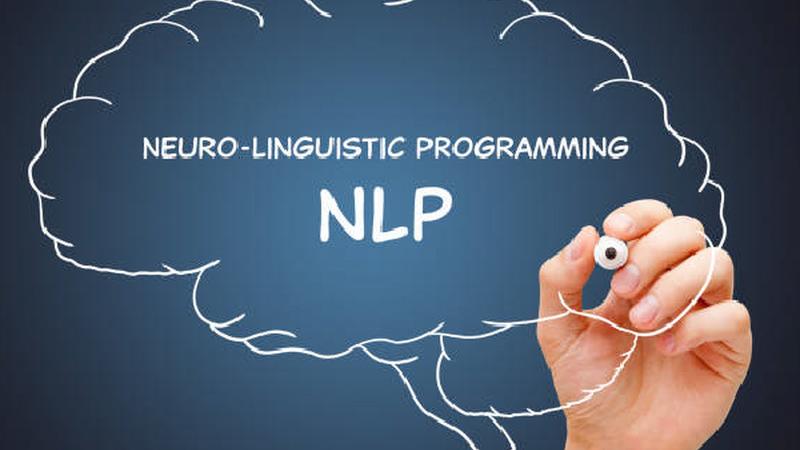
Al Mithaq Institute's programs in Emotional Intelligence and NLP provide structured approaches to developing this crucial dimension.
Social Dimension
Interpersonal skills enable effective collaboration, leadership, conflict resolution, and networking—capabilities essential in both personal and professional contexts.
Our courses in areas such as Negotiation Psychology and Body Language help develop these vital social competencies.
Measuring Progress in Self-Improvement
Tracking your development is essential for maintaining motivation and adjusting your strategies. Effective progress measurement includes:
Self-Assessment
Regular reflection on your capabilities, journaling about experiences and learnings, and periodic skill inventories help track internal progress.
Feedback Systems
Mentors, coaches, peers, and formal assessments provide external perspectives on your development and highlight blind spots.
Performance Metrics
Concrete results in various life domains—career advancement, relationship quality, health markers—reflect the practical impact of your development.
At Al Mithaq Institute, our programs incorporate structured feedback mechanisms and assessments that help you objectively gauge your progress and identify areas for continued growth.
Overcoming Barriers to Self-Improvement
The path to self-improvement inevitably encounters obstacles. Recognizing and addressing these barriers is crucial for sustained progress:
| Barrier | Strategy |
|---|---|
|
Limiting Beliefs
Self-doubt and negative self-perception
|
Challenge assumptions, collect evidence of capabilities, reframe failures as learning opportunities
|
|
Inconsistency
Difficulty maintaining practice routines
|
Habit stacking, environment design, accountability partners, micro-commitments
|
|
Overwhelm
Trying to change too much at once
|
Focus on one or two priority areas, break goals into small steps, celebrate incremental progress
|
|
Plateau Effect
Stalled progress after initial improvements
|
Vary practice techniques, increase challenge level, seek new perspectives, cross-train complementary skills
|
Our specialized courses in Life Coaching, Mental Health, and Happiness and Quality of Life provide strategies and techniques for overcoming these common barriers to personal growth.
The Role of Professional Guidance
While self-directed learning is valuable, professional guidance often accelerates growth and development. Al Mithaq Institute offers several advantages for your self-improvement journey:
Expert Instruction
Our faculty brings decades of academic and industry experience, providing insights and techniques based on both theoretical knowledge and practical application.
Structured Curricula
Our programs organize learning in optimal sequences, ensuring foundational concepts support advanced techniques in a coherent development path.
Accountability and Community
Learning alongside peers creates motivation, accountability, diverse perspectives, and valuable networking opportunities.
Recognized Credentials
KHDA-accredited programs and certificates validate your skills development for employers and clients, enhancing professional opportunities.
Conclusion: The Lifelong Journey
Understanding general skills and self-improvement is recognizing that personal development is not a destination but a lifelong journey. In today's rapidly changing world, the ability to continuously learn, adapt, and grow is perhaps the most valuable skill of all.
Al Mithaq Institute for Educational Services is committed to supporting individuals at every stage of this journey—whether you're beginning to explore self-improvement, seeking to develop specific general skills, or advancing to mastery in your chosen areas of focus.
Through our comprehensive range of programs—from Emotional Intelligence and Life Coaching to Project Management and Leadership Skills—we provide the knowledge, techniques, and support systems that empower sustainable personal and professional growth.
Begin your journey of understanding and developing general skills with Al Mithaq Institute, and discover the transformative power of structured, guided self-improvement.
Frequently Asked Questions
What are the most important general skills to develop first?
While individual needs vary, communication, critical thinking, and emotional intelligence form a powerful foundation that enhances the development of other skills. These meta-skills improve your ability to learn effectively in any domain.
How long does it take to develop a new skill to proficiency?
Research suggests that developing basic competence typically requires 20-50 hours of deliberate practice, while mastery may require 10,000+ hours. However, the rate varies significantly based on the skill complexity, your learning approach, prior related experience, and practice quality.
How can I stay motivated during the self-improvement process?
Connect goals to deeper values, break progress into visible milestones, build a supportive community, track improvements, celebrate small wins, and periodically revisit your "why"—the fundamental purpose driving your development efforts.
What's the difference between general skills and technical skills?
General skills (soft skills) are transferable across contexts and roles—communication, problem-solving, leadership, etc. Technical skills are specialized abilities for specific tasks or domains, like programming languages, medical procedures, or accounting methods.
How do Al Mithaq Institute's programs support self-improvement?
Our programs combine theoretical knowledge with practical application, expert instruction with peer learning, and structured curricula with personalized feedback. This integrated approach addresses all dimensions of effective skill development in a supportive learning environment.