

Top Strategies for General Skills and Self-Improvement
Discover effective approaches to develop essential skills that enhance both personal and professional life
Understanding the Importance of General Skills
In today's rapidly evolving world, possessing a diverse set of general skills has become increasingly valuable. These transferable competencies enhance your adaptability, problem-solving abilities, and overall effectiveness in various contexts.
General skills—often referred to as soft skills or transferable skills—form the foundation of personal and professional success. Unlike technical skills that are specific to certain roles, general skills apply across various domains and situations.
General skills are essential because they determine how effectively you can utilize your technical knowledge and interact with others in any environment.
Key General Skills Worth Developing
Before diving into strategies, it's important to understand which general skills are most valuable in today's landscape:
Communication Skills
Effective verbal, written, and non-verbal communication enables clearer expression of ideas and better understanding of others.
Critical Thinking
The ability to analyze information objectively, evaluate evidence, and make reasoned judgments leads to better decision-making.
Emotional Intelligence
Understanding and managing emotions—both your own and others'—improves relationships and conflict resolution.
Adaptability
The capacity to adjust to new conditions and embrace change is crucial in our fast-paced world.
At Al Mithaq Institute, we've seen that individuals who excel in these core skills find greater success across various professional fields and personal endeavors.
Top Strategies for Self-Improvement
Self-improvement is a continuous journey that requires intentional effort and consistent practice. Here are proven strategies to enhance your personal development:
-
Set Clear, Measurable Goals
Define specific objectives with deadlines to create a roadmap for your development. Break larger goals into smaller, achievable milestones to maintain motivation.
-
Establish Consistent Learning Habits
Dedicate regular time for learning and skill development. Even 20-30 minutes daily can lead to significant improvements over time.
-
Seek Constructive Feedback
Actively request input from mentors, colleagues, and friends to identify blind spots and areas for improvement.
-
Practice Reflective Thinking
Regularly assess your progress, setbacks, and lessons learned. Journaling can be an effective tool for this practice.
-
Embrace Challenges as Growth Opportunities
Adopt a growth mindset that views difficulties as chances to develop new capabilities rather than obstacles to avoid.
Practical Techniques for Skill Development
Beyond general strategies, these specific techniques can accelerate your skill acquisition:
The Deliberate Practice Method
Deliberate practice goes beyond simple repetition. It involves:
- Setting specific goals for each practice session
- Focusing intensely on improving particular aspects
- Seeking immediate feedback
- Continuously pushing beyond your comfort zone
This method, popularized by researcher Anders Ericsson, has been shown to significantly accelerate skill acquisition.
The Feynman Technique
This four-step learning method helps master complex concepts:
- Choose a concept and explain it in simple terms
- Identify gaps in your understanding
- Review the source material to fill those gaps
- Simplify and use analogies until you can explain it to anyone
Named after physicist Richard Feynman, this technique ensures deep understanding rather than superficial knowledge.
Spaced Repetition
This learning technique involves reviewing information at increasing intervals:
- Learn the material initially
- Review after one day
- Review again after three days
- Then after a week, two weeks, etc.
This approach leverages how our brains form long-term memories and has been proven more effective than cramming or constant review.
How Al Mithaq Institute Supports Skill Development
At Al Mithaq Institute, we offer specialized programs designed to enhance your general skills and support your self-improvement journey:
Personal Development Programs
- Emotional Intelligence
- Life Coaching
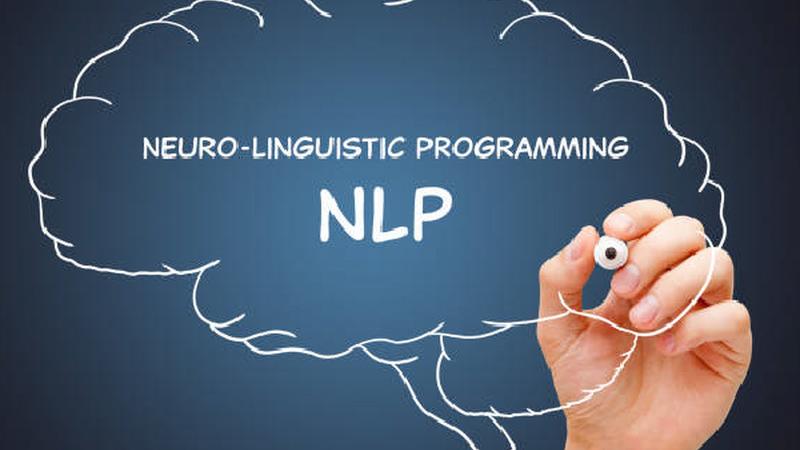
- Neuro-Linguistic Programming (NLP)
- Mental Health
Professional Skills Training
- Business Administration
- Project Management
- Total Quality Management
- Change Management and Development
Our courses are led by experienced instructors who provide personalized guidance and practical insights to accelerate your learning journey.
Common Challenges and How to Overcome Them
Many individuals face obstacles in their self-improvement journey. Here's how to address them effectively:
| Challenge | Solution |
|---|---|
| Lack of Motivation | Connect skills to meaningful personal goals; find an accountability partner; celebrate small wins |
| Inconsistent Practice | Schedule dedicated learning time; use habit stacking; eliminate distractions during practice sessions |
| Plateau in Progress | Seek new challenges; learn from different resources; find a mentor who can provide advanced guidance |
| Information Overload | Focus on one skill at a time; follow structured learning paths; apply knowledge immediately through projects |
Measuring Your Progress
Tracking your development is crucial for sustained improvement. Consider these methods:
Skill Assessment Tools
Regular self-assessments using standardized tools can provide objective measures of your progress. Many online platforms offer skill evaluation tests that can be taken periodically.
Progress Journaling
Maintain a dedicated journal to document your learning experiences, challenges overcome, and insights gained. This creates a tangible record of your growth journey.
Feedback Collection
Systematically gather input from peers, mentors, and supervisors about your developing skills. Compare feedback over time to identify improvement trends.
Project-Based Evaluation
Complete similar projects at different stages of your learning journey and compare the outcomes. This provides concrete evidence of how your skills are enhancing your performance.
Creating Your Personal Development Plan
A structured approach to self-improvement significantly increases your chances of success. Follow these steps to create an effective personal development plan:
-
Self-Assessment
Begin by honestly evaluating your current skills, strengths, weaknesses, and areas for growth. Consider both your professional requirements and personal aspirations.
Reflection prompt: "What skills would make the biggest positive impact on my life and career right now?"
-
Goal Setting
Establish specific, measurable, achievable, relevant, and time-bound (SMART) goals for your development. Include both short-term and long-term objectives.
Example: "Complete a public speaking course and deliver three presentations to groups of 10+ people by the end of the quarter."
-
Resource Identification
Research and select the learning resources, courses, mentors, and tools that will support your development journey.
Al Mithaq Institute offers numerous programs that can be integrated into your personal development plan, providing structured learning paths guided by industry experts.
-
Implementation Schedule
Create a realistic timeline with specific milestones and daily/weekly activities that will move you toward your goals.
-
Regular Review and Adjustment
Schedule periodic evaluations of your progress and be willing to adjust your plan based on what's working, what isn't, and any changing priorities.
Remember: The most effective development plans are flexible and evolve as you grow.
FAQ: General Skills and Self-Improvement
How long does it typically take to develop a new skill?
While the popular "10,000-hour rule" suggests mastery takes extensive practice, meaningful improvement can occur much sooner. Most people see noticeable progress within 20-50 hours of deliberate practice for moderately complex skills. However, the timeline varies based on the skill's complexity, your prior experience, practice quality, and individual learning capacity.
Should I focus on improving my weaknesses or enhancing my strengths?
Both approaches have merit. Strengthening areas where you already excel can lead to exceptional performance in those domains. However, addressing significant weaknesses is essential when they impede your overall effectiveness. The best strategy often involves primarily developing your strengths while improving weaknesses to a functional level.
How can I maintain motivation during long-term skill development?
Sustainable motivation comes from connecting skill development to meaningful personal goals, breaking the process into achievable milestones, celebrating progress, finding learning communities, and incorporating variety into your practice routines. Periodic reflection on how far you've come can also renew motivation during challenging phases.
What role does formal education play in developing general skills?
Formal education can provide structured learning environments, expert guidance, and recognized credentials. However, many general skills are also effectively developed through self-directed learning, mentorship, and practical experience. At Al Mithaq Institute, we combine structured educational frameworks with practical application opportunities to offer the benefits of both approaches.
Is it better to develop multiple skills simultaneously or focus on one at a time?
For most people, focusing primarily on one skill at a time leads to faster progress due to concentrated effort. However, developing complementary skills simultaneously can sometimes create synergistic effects. A balanced approach might involve focusing deeply on one primary skill while maintaining light practice in 1-2 complementary areas.
Conclusion
The journey of skill development and self-improvement is ongoing, rewarding, and transformative. By implementing the strategies outlined in this guide and maintaining a consistent commitment to growth, you can significantly enhance your capabilities and quality of life.
At Al Mithaq Institute, we're dedicated to supporting individuals in their personal and professional development through our comprehensive programs and expert guidance. Whether you're looking to enhance specific skills or embark on a broader self-improvement journey, our structured approach provides the resources and support you need to succeed.
Ready to Accelerate Your Growth?
Explore our range of courses designed to develop essential general skills and support your self-improvement goals.