

The Role of General Skills and Self-Improvement
Understanding the foundation of personal and professional excellence in today's dynamic world
The Evolving Landscape of Skills and Capabilities
We live in an era of unprecedented change. Technologies evolve rapidly, industries transform, and career paths look markedly different than they did even a decade ago. In this landscape of continuous evolution, the most valuable asset anyone can possess is not a specific technical skill but rather a foundation of general skills coupled with the ability to continuously improve.
General skills—sometimes called soft skills, transferable skills, or human skills—are abilities that transcend specific roles, industries, or technologies. They represent how we think, interact, organize, and adapt. Meanwhile, self-improvement is the ongoing commitment to developing these capabilities throughout our lifetime.
The World Economic Forum estimates that by 2025, 85 million jobs may be displaced by automation, while 97 million new roles may emerge. What will prepare people for this shift? Not just technical knowledge, but adaptability, critical thinking, and other general skills.
Why General Skills Matter More Than Ever
In an age of artificial intelligence and machine learning, the skills that remain uniquely human become increasingly valuable. Here's why general skills have become indispensable:
Automation-Resistant
While many technical skills can be automated, general skills like empathy, ethical judgment, creative problem-solving, and interpersonal communication remain distinctly human. These skills cannot be easily replicated by artificial intelligence.
Transferable Across Careers
The average person now changes careers (not just jobs) several times in their life. General skills like critical thinking, communication, and leadership transfer seamlessly between different industries and roles, providing career resilience.
Exponential Impact
Technical skills may help you perform specific tasks, but general skills multiply your effectiveness. Strong communication amplifies your technical expertise by enabling you to convey complex ideas. Leadership skills allow you to leverage the talents of an entire team.
Essential for Innovation
Breakthrough innovation rarely comes from technical skill alone—it requires creativity, cross-disciplinary thinking, curiosity, and the ability to collaborate with diverse teams. These general skills create the conditions for innovation to thrive.
The Foundation of Professional Success
Research consistently shows that general skills contribute significantly to career advancement and professional success:
Leadership and Management
A study by Harvard Business Review found that 90% of what distinguishes high-performing leaders is emotional intelligence and related general skills, not technical expertise.
Career Advancement
LinkedIn's research indicates that 57% of senior leaders consider soft skills more important than technical skills for career progression beyond entry-level positions.
Hiring Decisions
According to a survey by the Society for Human Resource Management, 97% of employers consider general skills equally or more important than technical skills when making hiring decisions.
Business Success
A Carnegie Institute study found that 85% of financial success comes from human engineering skills (communication, negotiation, leadership), while only 15% comes from technical knowledge.
At Al Mithaq Institute, we've observed that professionals with strong general skills not only advance more rapidly in their careers but also maintain greater job satisfaction and work-life harmony.
Core General Skills in the Modern Workplace
While the exact mix of valuable general skills varies by industry and role, certain capabilities consistently rank as critical in today's workplace:
Communication
The ability to express ideas clearly, listen effectively, and adapt communication style to different audiences and situations.
Critical Thinking
The capacity to analyze information objectively, evaluate evidence, identify biases, and make reasoned judgments.
Adaptability
The willingness and ability to adjust to new conditions, embrace change, and thrive in uncertainty and ambiguity.
Emotional Intelligence
The ability to recognize, understand, and manage emotions in oneself and others, facilitating better relationships and decision-making.
Collaboration
The capacity to work effectively with others, leverage diverse perspectives, and create synergistic outcomes that exceed individual contributions.
Creativity
The ability to generate novel ideas, connect disparate concepts, and develop innovative solutions to complex problems.
These skills form the core of what Al Mithaq Institute helps develop through our professionally-focused training programs and courses.
The Continuous Self-Improvement Mindset
Beyond specific skills, perhaps the most valuable asset in today's rapidly changing world is a commitment to continuous self-improvement—the mindset that recognizes learning as a lifelong journey rather than a destination.
This approach to personal and professional development provides several critical advantages:
Resilience in the Face of Change
Those committed to continuous improvement adapt more easily to technological changes, industry disruptions, and career transitions. Rather than feeling threatened by change, they see it as an opportunity to grow and evolve.
Sustained Relevance
In fields where knowledge quickly becomes outdated, those who consistently refresh and expand their skills remain valuable. This prevents the obsolescence that can occur when someone relies solely on knowledge acquired years or decades ago.
Compounding Growth
The effects of continuous improvement compound over time. Small, consistent investments in learning and development accumulate, creating an ever-widening gap between those who commit to growth and those who remain static.
Personal Fulfillment
Beyond professional benefits, continuous growth and learning contribute significantly to life satisfaction and wellbeing. Humans naturally find purpose and meaning through progress and mastery, regardless of their field.
The Role of General Skills in Different Contexts
General skills and self-improvement matter across all professional fields and life situations, though their specific manifestations may vary:
| Context | Critical General Skills | Impact |
|---|---|---|
| Leadership Roles | Emotional intelligence, strategic thinking, communication, conflict resolution | Enables effective team development, vision-setting, and organizational alignment |
| Technical Careers | Problem-solving, collaboration, learning agility, communication of complex ideas | Facilitates innovation, cross-functional teamwork, and adaptation to technological change |
| Entrepreneurship | Resilience, risk management, networking, persuasion, creativity | Supports business development, investor relations, and adaptation to market conditions |
| Service Industries | Empathy, active listening, patience, adaptability | Drives customer satisfaction, relationship-building, and service quality |
| Personal Life | Emotional awareness, communication, conflict resolution, time management | Enhances relationships, life satisfaction, and stress management |
At Al Mithaq Institute, our specialized programs help develop these contextual applications of general skills across diverse professional fields.
How Al Mithaq Institute Supports Skill Development
Our comprehensive approach to developing general skills and fostering self-improvement includes:
Specialized Programs
We offer focused development in critical skill areas through programs such as:
- Emotional Intelligence Certification
- Leadership and Management Development
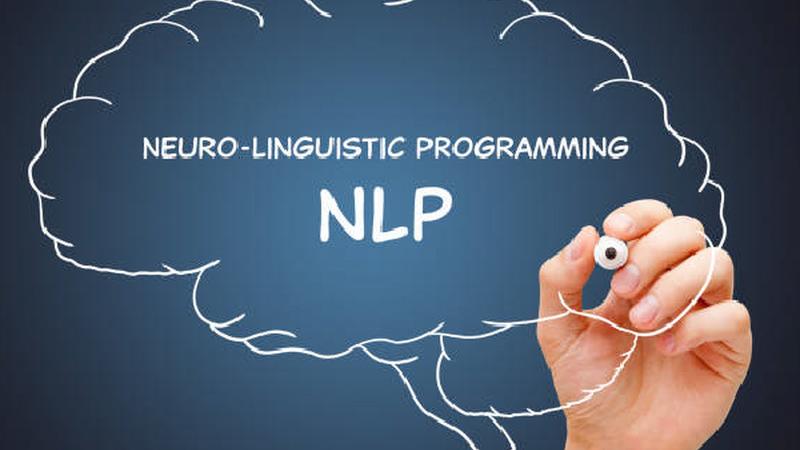
- Neuro-Linguistic Programming (NLP)
- Professional Communication and Presentation Skills
Integrated Learning Approach
Our methodology combines:
- Theoretical frameworks and evidence-based concepts
- Interactive workshops and practical exercises
- Real-world case studies and application scenarios
- Individualized feedback and coaching
Expert Instruction
All our programs are facilitated by professionals with extensive experience in both the theoretical aspects and practical applications of the skills they teach, ensuring a balance of academic rigor and real-world relevance.
Customized Learning Paths
We recognize that skill development needs vary by individual, role, and organization. Our programs can be tailored to address specific developmental goals and organizational contexts.
Practical Steps for Self-Improvement
Beyond formal training, these practical strategies can help you develop general skills and embrace continuous improvement:
-
Create a Personal Development Plan
Assess your current strengths and areas for growth, then create a structured plan with specific goals, timelines, and learning resources.
-
Seek Diverse Experiences
Deliberately expose yourself to new challenges, environments, and perspectives that stretch your capabilities and expand your understanding.
-
Develop Reflection Habits
Schedule regular time for self-reflection to process experiences, extract lessons, and identify patterns in your responses and behaviors.
-
Request Specific Feedback
Ask mentors, colleagues, and supervisors for targeted feedback on particular skills you're working to develop, and create a system to implement their suggestions.
-
Build a Learning Network
Surround yourself with growth-oriented individuals who challenge you and share resources, insights, and accountability.
-
Practice Deliberate Skill Application
Identify specific situations where you can apply new skills, prepare for these opportunities, and afterward analyze what worked and what didn't.
-
Develop Reading and Learning Habits
Establish consistent habits for consuming books, articles, podcasts, and courses related to your development areas.
FAQ: General Skills and Self-Improvement
Are general skills innate, or can they be developed?
While certain aspects of general skills may come more naturally to some individuals based on temperament and early experiences, research clearly demonstrates that these skills can be developed at any age through focused practice, feedback, and reflection. The key is approaching development with patience and consistency, recognizing that meaningful change occurs gradually.
How do you balance developing technical vs. general skills?
Both skill types are essential in most professional contexts. A balanced approach involves assessing which areas are currently limiting your effectiveness. Early career stages often emphasize technical skills to establish credibility, while advancement typically requires increasing focus on general skills. The ideal approach integrates both, using general skills to amplify the impact of your technical expertise.
How can organizations foster general skills development?
Organizations can support general skills development through formal training programs, mentorship initiatives, feedback systems, and creating psychological safety that encourages risk-taking and learning. Most importantly, organizations should recognize and reward the application of general skills, making them part of performance evaluations and advancement criteria.
How long does it take to develop general skills?
The timeline for developing general skills varies based on the skill's complexity, your starting point, and the intensity of your practice. Noticeable improvement in most general skills typically requires 2-6 months of consistent effort, while mastery may take years. The key is recognizing that development is incremental—small improvements accumulate into significant changes over time.
How can I measure improvement in general skills?
Unlike technical skills with clear performance metrics, general skills improvement can be more challenging to measure. Effective approaches include gathering structured feedback from colleagues and supervisors, self-assessments using validated tools, tracking specific behavioral changes, and monitoring outcomes in situations where the skill is applied.
Conclusion
The role of general skills and self-improvement in today's world cannot be overstated. As automation and artificial intelligence transform the workplace, distinctly human capabilities become increasingly valuable. The ability to communicate effectively, think critically, collaborate with diverse teams, and continuously adapt to changing conditions provides the foundation for both professional success and personal fulfillment.
At Al Mithaq Institute, we are committed to helping individuals and organizations develop these crucial capabilities through our specialized programs and expert guidance. We believe that investing in general skills and fostering a mindset of continuous improvement creates not only more effective professionals but also more fulfilled individuals and stronger communities.
Ready to Enhance Your General Skills?
Explore our range of programs designed to develop the essential capabilities that drive personal and professional success.