

The Impact of Healthcare and Wellness: Transforming Lives and Society
The healthcare and wellness landscape is undergoing a profound transformation. From technological innovations to shifting perspectives on holistic health, these changes are reshaping how we understand, prevent, and treat health conditions. This article explores the multifaceted impact of healthcare and wellness developments on individuals, communities, and healthcare systems.
The Evolution of Healthcare: From Treatment to Prevention
One of the most significant shifts in modern healthcare has been the growing emphasis on preventive care rather than simply treating conditions after they develop. This paradigm shift is influencing everything from healthcare policy to individual health decisions:
Predictive Medicine
Advanced analytics and genetic testing now allow healthcare providers to identify risk factors and potential health issues before symptoms appear, enabling earlier interventions and personalized prevention strategies.
Preventive Health Programs
Organizations and healthcare systems are implementing comprehensive wellness programs that encourage healthy behaviors, regular screenings, and proactive health management to reduce disease incidence and healthcare costs.
The economic impact of this shift is substantial. Studies indicate that every $1 invested in prevention can yield up to $5.60 in healthcare savings. This return on investment has motivated governments, insurers, and employers to prioritize preventive approaches.

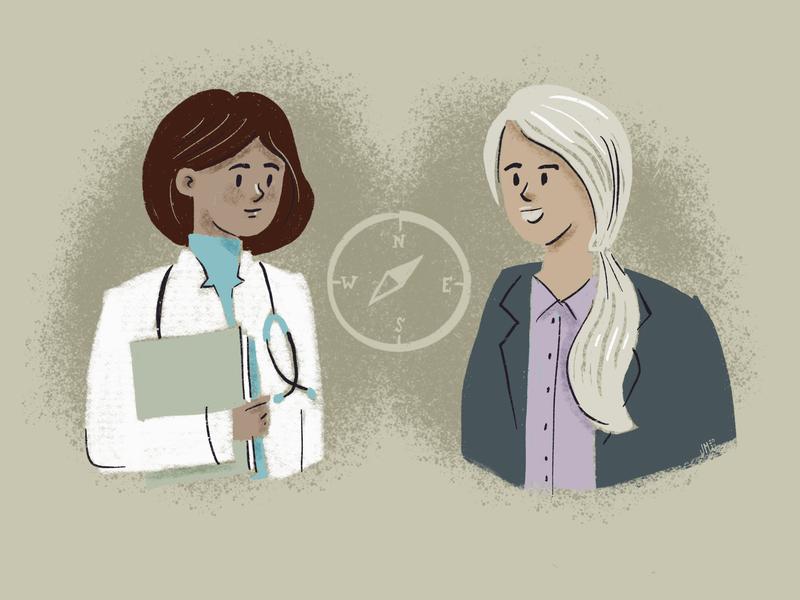
Preventive care consultations are becoming a cornerstone of modern healthcare
Digital Transformation in Healthcare Delivery
Technology is revolutionizing how healthcare services are delivered, making them more accessible, efficient, and personalized:
- Telemedicine and Virtual Care: The pandemic accelerated the adoption of remote healthcare services, with telemedicine consultations increasing by over 4,000% in many regions. This shift has particularly benefited rural communities and patients with mobility challenges.
- AI-Assisted Diagnostics: Artificial intelligence algorithms can now analyze medical images and patient data with remarkable accuracy, often detecting patterns that might be missed by human observers. AI applications in radiology, pathology, and dermatology are showing promising results in improving diagnostic speed and accuracy.
- Remote Patient Monitoring: Wearable devices and connected sensors allow continuous monitoring of patients' vital signs and health metrics outside clinical settings, enabling early intervention and reducing hospital readmissions by up to 50% for certain conditions.
"Digital health technologies are not just changing how we deliver healthcare – they're fundamentally transforming the relationship between patients and providers, creating more collaborative, continuous, and data-driven care models."
The Integration of Mental Health and Physical Wellness
Another transformative trend has been the growing recognition of the interconnection between mental and physical health. This holistic perspective is reshaping healthcare approaches:
The Mind-Body Connection
Research continues to demonstrate how mental health directly impacts physical health outcomes. For example, chronic stress has been linked to increased risk of cardiovascular disease, immune dysfunction, and inflammation.
This understanding has led to integrated treatment approaches that address both physical and psychological aspects of health conditions.
Mental Health Integration
- Collaborative care models that include mental health professionals in primary care settings
- Routine mental health screenings as part of regular check-ups
- Stress management and mindfulness techniques integrated into treatment plans
- Workplace wellness programs addressing both physical and mental health
The reduction of stigma surrounding mental health issues has been particularly impactful. As societies become more open about discussing mental wellbeing, more individuals are seeking help earlier, leading to better outcomes and reduced healthcare costs in the long term.
Personalized Medicine and Genomics
Advances in genomic science are enabling increasingly personalized approaches to healthcare:
| Personalized Medicine Approach | Impact on Healthcare | Future Potential |
|---|---|---|
| Pharmacogenomics | Medications tailored to individual genetic profiles, reducing adverse reactions and improving efficacy | Custom drug formulations designed for specific genetic variations |
| Genetic Risk Assessment | Identification of hereditary disease risks, enabling proactive intervention | Routine genetic screening beginning at birth to guide lifelong health decisions |
| Precision Oncology | Cancer treatments targeted to the specific genetic mutations driving an individual's tumor | Combination therapies precisely matched to complex tumor genetic profiles |
| Microbiome Analysis | Treatment plans adjusted based on individual gut microbiome composition | Personalized nutrition and lifestyle recommendations based on microbiome-genome interactions |
While these advances offer tremendous promise, they also raise important ethical considerations regarding genetic privacy, equitable access, and the potential for genetic discrimination. Healthcare systems and regulatory bodies are working to establish frameworks that harness the benefits of personalized medicine while protecting patient rights and privacy.
Community Health and Social Determinants
There's growing recognition that individual health is profoundly influenced by community factors and social determinants:
Economic Factors
Income, employment, and financial security directly impact health outcomes. Individuals with lower socioeconomic status often face barriers to healthcare access and experience higher rates of chronic disease.
Environmental Factors
Housing quality, neighborhood safety, pollution levels, and access to green spaces all contribute to health outcomes. Communities with environmental hazards often experience higher rates of respiratory conditions and other health issues.
Social Factors
Social support networks, education levels, and community cohesion influence health behaviors and outcomes. Strong social connections are associated with better mental health and longer lifespans.
Progressive healthcare systems are now implementing community health initiatives that address these broader determinants. These programs often involve collaboration between healthcare providers, public health agencies, community organizations, and local governments to create environments that support health and wellbeing.
Community Health Transformation
A collaborative initiative in a low-income urban neighborhood combined improved access to fresh food through community gardens, safe exercise spaces, healthcare outreach, and social support programs. Over three years, the community saw a 32% reduction in emergency department visits, a 24% decrease in hospitalizations for chronic conditions, and significantly improved health metrics among residents.
Global Health Challenges and Responses
The COVID-19 pandemic highlighted both vulnerabilities and strengths in global health systems, accelerating several important trends:
- International Collaboration: The pandemic demonstrated the vital importance of coordinated international responses to health crises, leading to strengthened global health networks and improved emergency response capabilities.
- Health System Resilience: Healthcare organizations are prioritizing flexibility, scalability, and crisis preparedness, with investments in emergency response infrastructure, supply chain resilience, and workforce capacity.
- Health Equity: The disproportionate impact of COVID-19 on vulnerable populations has amplified calls for addressing health disparities and ensuring equitable access to healthcare services globally.
Develop Your Healthcare Knowledge with Al Mithaq Institute
Our specialized healthcare training programs provide comprehensive education on modern healthcare approaches, wellness strategies, and the latest innovations in patient care.
Explore Healthcare ProgramsThe Future of Healthcare and Wellness
Looking ahead, several emerging trends will likely shape the future of healthcare and wellness:
- AI and Automation
Artificial intelligence will continue transforming healthcare operations, clinical decision-making, and patient care, with applications ranging from administrative workflow optimization to advanced diagnostic systems. - Consumer-Driven Healthcare
Patients are increasingly taking active roles in their healthcare decisions, demanding transparency, convenience, and personalized experiences comparable to other service industries. - Value-Based Care Models
Healthcare payment systems are shifting from fee-for-service to value-based models that reward health outcomes and patient satisfaction rather than service volume. - Climate-Resilient Healthcare
Healthcare systems are adapting to address both the health impacts of climate change and the environmental footprint of healthcare operations. - Global Health Security
Enhanced surveillance systems, rapid response capabilities, and international coordination mechanisms will be prioritized to prevent and contain future pandemics.
Conclusion
The rapid evolution of healthcare and wellness approaches is creating profound impacts at individual, community, and global levels. By embracing prevention, leveraging technology, addressing social determinants, and taking holistic approaches to wellbeing, we have unprecedented opportunities to improve health outcomes and quality of life.
The challenges ahead are significant, including ensuring equitable access to innovations, navigating ethical considerations, and building sustainable healthcare systems. However, the convergence of scientific advances, technological capabilities, and evolving perspectives on health offers genuine hope for healthier, more resilient communities worldwide.
At Al Mithaq Institute for Educational Services, we remain committed to providing high-quality education and training that prepares healthcare professionals to navigate this dynamic landscape and contribute to positive health outcomes in their communities.
Frequently Asked Questions
Digital health technologies are creating more convenient, personalized, and participatory healthcare experiences. Patients now have access to their health records through patient portals, can communicate with providers through secure messaging, receive care remotely through telemedicine, and actively track their health metrics using wearable devices. These technologies are shifting the patient-provider relationship toward a more collaborative partnership.
Wellness is increasingly integrated into healthcare as systems shift toward preventive approaches. Modern healthcare organizations are implementing wellness programs that focus on nutrition, physical activity, stress management, and other lifestyle factors that influence health outcomes. This integration helps reduce disease burden, lower healthcare costs, and improve quality of life. Many healthcare providers now prescribe wellness interventions alongside traditional medical treatments.
Healthcare systems are addressing social determinants through multiple approaches, including: screening patients for social needs during clinical visits; employing community health workers who connect patients with social services; forming partnerships with community organizations to address housing, food insecurity, and transportation barriers; advocating for policies that improve community conditions; and incorporating social data into healthcare analytics to identify population-level intervention opportunities. These approaches recognize that medical care alone cannot achieve optimal health outcomes.