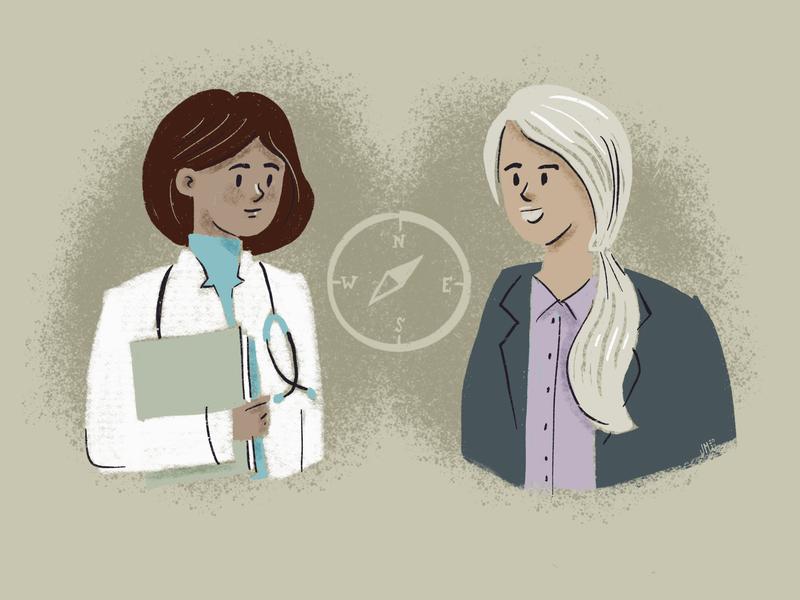


Reimagining Healthcare for Tomorrow
The healthcare landscape is undergoing a profound transformation, driven by technological innovation, scientific breakthroughs, and evolving patient expectations. As we stand at the threshold of a new era in medicine, emerging trends and developments promise to revolutionize how we prevent, diagnose, and treat disease, as well as how we maintain optimal health and wellness.
This transformation isn't just about incorporating new technologies into existing frameworks—it's about fundamentally rethinking the entire healthcare ecosystem. From AI-powered diagnostics to personalized treatment plans based on genetic profiling, the future of healthcare is being shaped by innovations that were once confined to science fiction.
Artificial Intelligence and Machine Learning in Healthcare
Artificial Intelligence (AI) and Machine Learning (ML) are revolutionizing healthcare by enhancing diagnostic accuracy, treatment recommendations, and administrative efficiency. These technologies process vast amounts of medical data to identify patterns and insights that may not be immediately apparent to human practitioners.
Diagnostic Revolution
AI algorithms are now capable of analyzing medical images such as X-rays, MRIs, and CT scans with remarkable accuracy. In many cases, these systems can detect subtle abnormalities that might be missed by human observation. For example, AI tools have demonstrated the ability to identify early signs of cancer, diabetic retinopathy, and neurological disorders, potentially allowing for earlier intervention and improved outcomes.
Clinical Decision Support
AI-powered clinical decision support systems assist healthcare providers by analyzing patient data, medical literature, and treatment guidelines to recommend optimal care pathways. These tools consider a patient's complete medical history, genetic factors, and current health metrics to suggest personalized treatment plans. By augmenting physician judgment with data-driven insights, these systems have the potential to reduce medical errors and improve treatment efficacy.
Beyond diagnostics and treatment planning, AI is transforming healthcare operations through:
- Predictive analytics that forecast patient admissions and resource needs
- Natural language processing that extracts relevant information from medical records
- Virtual nursing assistants that monitor patients and answer basic questions
- Robotic process automation that streamlines administrative tasks
- Drug discovery algorithms that accelerate the development of new medications
Emerging Technology
Researchers at Stanford University have developed an AI system that can detect skin cancer with accuracy comparable to dermatologists. The algorithm was trained on nearly 130,000 skin disease images and has the potential to make expert-level dermatological assessments available via smartphone, dramatically expanding access to early skin cancer detection.
Genomics and Precision Medicine
The completion of the Human Genome Project marked a watershed moment in medical history, paving the way for precision medicine—an approach that tailors medical treatment to the individual characteristics of each patient. Advances in genomic sequencing technology have made it increasingly affordable to analyze a person's genetic makeup, enabling healthcare providers to:
| Application | Current and Future Impact |
|---|---|
| Pharmacogenomics | Analyzing genetic variations that affect drug response, allowing physicians to prescribe medications that will be most effective with minimal side effects. |
| Disease Risk Assessment | Identifying genetic predispositions to specific diseases, enabling preventive interventions and lifestyle modifications before symptoms appear. |
| Cancer Treatment | Analyzing tumor genetics to determine the most effective targeted therapies, moving beyond the one-size-fits-all approach to cancer treatment. |
| Gene Therapy | Correcting defective genes to treat or prevent genetic disorders, potentially offering cures for previously untreatable conditions. |
| Microbiome Analysis | Studying the genetic makeup of gut bacteria to understand their role in health and disease, leading to microbiome-based therapies. |
The future of genomic medicine extends beyond individual treatments to population health management. By analyzing genetic data across diverse populations, researchers can better understand disease patterns, develop more targeted public health interventions, and address health disparities with unprecedented precision.
Digital Health and Remote Care
The COVID-19 pandemic accelerated the adoption of telehealth and remote care technologies, demonstrating their potential to extend healthcare access beyond traditional settings. This trend is expected to continue and expand, creating a more distributed healthcare ecosystem.
Telehealth Evolution
Telehealth is evolving from simple video consultations to comprehensive virtual care platforms that integrate remote monitoring, digital therapeutics, and AI-powered triage. These platforms enable continuous care management rather than episodic interventions, particularly beneficial for chronic disease management.
Wearable Health Technology
Advanced sensors in smartwatches, patches, and clothing can continuously monitor vital signs, activity levels, sleep quality, and even detect early warning signs of health issues. These devices are becoming increasingly sophisticated, with some capable of detecting arrhythmias, monitoring blood glucose, or measuring blood oxygen levels.
Digital Therapeutics
FDA-approved digital therapies deliver evidence-based interventions through software programs to prevent, manage, or treat medical disorders. These include cognitive behavioral therapy apps for mental health, insulin dose calculators for diabetes, and digital rehabilitation programs for stroke recovery.
The integration of these digital health technologies with electronic health records and healthcare information systems creates a more connected healthcare ecosystem. This connectivity enables seamless information flow between patients, providers, and care settings, supporting more coordinated and proactive care delivery.
Regenerative Medicine and Biotechnology
Regenerative medicine represents one of the most promising frontiers in healthcare, focusing on developing methods to repair or replace damaged cells, tissues, and organs. This field combines advances in stem cell research, tissue engineering, and gene editing to create revolutionary treatment approaches.
Stem Cell Therapies
Stem cells' ability to develop into different cell types makes them valuable for treating a range of conditions. Clinical applications are already emerging for conditions such as spinal cord injuries, macular degeneration, and certain types of heart disease. Future developments may include lab-grown organs for transplantation, potentially eliminating waitlists and rejection issues.
CRISPR and Gene Editing
CRISPR-Cas9 and other gene editing technologies allow scientists to modify DNA with unprecedented precision. This capability opens the door to treating genetic disorders at their source by correcting disease-causing mutations. Clinical trials are underway for conditions such as sickle cell disease, beta-thalassemia, and certain forms of blindness.
Tissue Engineering
By combining scaffolds, cells, and biologically active molecules, tissue engineering aims to create functional tissues for medical use. Advances in 3D bioprinting now allow for the creation of complex tissue structures with embedded vascular networks. Researchers have successfully engineered skin, cartilage, and even simple organs, with more complex structures on the horizon.
Nanomedicine
Nanotechnology applications in medicine include targeted drug delivery systems, diagnostic imaging enhancements, and nanorobots capable of performing precise cellular interventions. These microscopic tools can deliver medications directly to disease sites, minimizing side effects and improving efficacy.
Ethical Considerations
As regenerative medicine advances, important ethical questions arise regarding genetic modification, equity in access to cutting-edge treatments, and the boundaries of human enhancement. Establishing robust regulatory frameworks and ethical guidelines will be essential to ensure these powerful technologies benefit humanity while minimizing potential harms.
Preventive Healthcare and Wellness Optimization
The future of healthcare increasingly emphasizes prevention over treatment, with systems designed to maintain wellness rather than merely respond to illness. This paradigm shift is supported by advances in early detection, lifestyle medicine, and personalized health optimization.
Predictive Analytics
By analyzing health data, genetic information, and lifestyle factors, AI systems can identify individuals at risk for specific conditions before symptoms appear. These predictions enable targeted interventions that can prevent disease onset or minimize severity.
Microbiome-Based Interventions
Growing understanding of the gut microbiome's role in health is leading to personalized dietary recommendations, probiotic therapies, and microbiome transplants designed to optimize microbial balance and improve overall health.
Environmental Health Monitoring
Smart homes and wearable devices can detect environmental factors affecting health, from air quality to noise levels. This data helps individuals optimize their surroundings for better health outcomes and reduced exposure to harmful elements.
The integration of these preventive approaches with incentive-based health insurance models and employer wellness programs is creating stronger economic incentives for maintaining good health. This alignment of financial interests with health outcomes may accelerate the adoption of preventive health practices.
Challenges and Ethical Considerations
The rapid advancement of healthcare technology brings significant challenges that must be addressed to ensure these innovations benefit society equitably and ethically.
Data Privacy and Security
The increasing digitization of health information creates privacy and security challenges. Robust data protection frameworks, encryption technologies, and clear consent protocols are essential to maintain patient trust while enabling the benefits of data-driven healthcare.
Healthcare Equity
There's a risk that advanced healthcare technologies could exacerbate existing disparities if not deliberately designed for accessibility. Ensuring that innovations reach underserved populations and addressing social determinants of health are critical challenges for the future healthcare system.
Ethical Use of AI and Genomics
As AI and genomic technologies advance, ethical questions arise regarding algorithmic bias, genetic discrimination, informed consent, and the boundaries of human enhancement. Developing ethical guidelines and regulatory frameworks that balance innovation with protection is essential.
Healthcare Workforce Transformation
The changing healthcare landscape requires new skills and roles. Healthcare professionals will need ongoing education to work effectively with AI systems, genomic information, and digital health tools. New roles will emerge, while some traditional functions may be automated.
The Future Healthcare Ecosystem
The healthcare system of the future will likely be characterized by several key features that distinguish it from today's model:
Decentralization
Care will increasingly move from hospitals and clinics to homes, workplaces, and mobile settings through telehealth, remote monitoring, and point-of-care diagnostics. This shift will improve convenience and potentially reduce costs while maintaining or enhancing quality.
Interoperability
Seamless data exchange between different healthcare providers, devices, and systems will enable more coordinated care and reduce fragmentation. Open standards and APIs will facilitate this connectivity while maintaining security and privacy.
Value-Based Care Models
Payment systems will continue to evolve from fee-for-service to outcomes-based reimbursement, incentivizing health maintenance and disease prevention over treatment volume. This alignment will accelerate the adoption of preventive approaches and continuous care management.
Participatory Health
Patients will become active participants rather than passive recipients of care, empowered by access to their health data, decision support tools, and peer communities. This participation will extend to research through citizen science initiatives and data donation programs.
Conclusion
The future of healthcare and wellness stands at the convergence of technological innovation, scientific discovery, and a reimagined approach to health that emphasizes prevention, personalization, and participation. While challenges remain in ensuring equitable access, addressing ethical considerations, and managing the transition to new care models, the potential benefits are profound.
By embracing these transformative changes thoughtfully and inclusively, we can create a healthcare future that not only effectively treats disease but proactively supports well-being, extends healthy lifespans, and empowers individuals to achieve their optimal health potential.
As these innovations continue to evolve, ongoing dialogue between healthcare providers, technologists, policymakers, ethicists, and patients will be essential to shape a future healthcare system that aligns with our collective values and meets the diverse needs of all populations.
Frequently Asked Questions
How will AI impact the role of healthcare professionals?
Rather than replacing healthcare professionals, AI is expected to augment their capabilities by handling routine tasks, providing decision support, and analyzing complex data. This will likely shift their focus toward the uniquely human aspects of care: empathy, complex decision-making, and patient education.
What are the most promising applications of genomic medicine?
Pharmacogenomics (tailoring medications based on genetic profiles), early disease risk detection, targeted cancer therapies, and gene therapies for inherited disorders represent some of the most promising applications of genomic medicine with near-term clinical impact.
How can we ensure healthcare innovations benefit everyone equally?
Addressing healthcare equity requires deliberate strategies: developing technologies with diverse populations in mind, ensuring affordability and accessibility, strengthening digital infrastructure, addressing social determinants of health, and creating inclusive policies that prioritize equitable access.
What role will wearable health technologies play in future healthcare?
Wearable technologies will evolve from simple fitness trackers to sophisticated health monitoring devices that detect early warning signs of health issues, facilitate remote patient monitoring, support clinical research through continuous data collection, and enable personalized health interventions.
How can individuals prepare for the changing healthcare landscape?
Individuals can prepare by developing health literacy, engaging actively in preventive care, maintaining personal health records, understanding their genetic and health risk factors, and staying informed about emerging healthcare technologies and treatments relevant to their needs.