

The Future of General Skills and Self-Improvement
In a rapidly changing world, your ability to adapt and grow is your greatest asset.
Why General Skills Matter More Than Ever
In today's rapidly evolving job market, specialized technical skills have expiration dates. Technologies change, industries transform, and what's in demand today may be obsolete tomorrow. However, general skills—often called "soft skills" or "transferable skills"—remain consistently valuable across different contexts and throughout your career.
General skills like critical thinking, emotional intelligence, effective communication, and adaptability are increasingly becoming the differentiating factors between those who thrive and those who struggle in the modern economy.
The Shifting Landscape of Work and Learning
According to the World Economic Forum, by 2025, 85 million jobs may be displaced by a shift in the division of labor between humans and machines, while 97 million new roles may emerge. In this context, your ability to continuously learn and adapt is crucial.
of children entering primary school today will ultimately end up working in completely new job types that don't yet exist.
This statistic highlights why focusing solely on specific technical skills isn't enough. The future belongs to those who can learn, unlearn, and relearn as circumstances change.
Core General Skills for Future Success
Critical Thinking
The ability to analyze information objectively, make reasoned judgments, and identify connections between ideas.
Emotional Intelligence
Understanding and managing your emotions while empathizing with others and navigating social interactions effectively.
Adaptability
The capacity to adjust to new conditions, embrace change, and remain effective when faced with ambiguity.
Communication
Expressing ideas clearly, listening actively, and adjusting your communication style for different audiences.
The Self-Improvement Mindset
Self-improvement isn't just about learning new skills—it's about developing a growth mindset that embraces challenges as opportunities for development. This mindset shift is perhaps the most valuable meta-skill you can cultivate.
Carol Dweck, a Stanford psychologist and author of "Mindset," distinguishes between a fixed mindset (believing abilities are static) and a growth mindset (believing abilities can be developed). Those with a growth mindset tend to achieve more because they focus on learning and improvement rather than validation.
Practical Self-Improvement Strategies
- ✦ Deliberate practice: Focus on specific aspects of a skill you want to improve, get feedback, and refine your approach based on that feedback.
- ✦ Habit stacking: Attach new habits to existing ones to make them easier to maintain, as described by James Clear in "Atomic Habits."
- ✦ Reflection: Set aside time regularly to reflect on what you've learned and how you can apply those insights going forward.
- ✦ Diverse learning: Expose yourself to different fields and perspectives to develop more creative connections and a broader understanding.
Al Mithaq Institute: Your Partner in Skill Development
At Al Mithaq Institute for Educational Services, we understand the critical importance of developing general skills alongside specialized knowledge. Our comprehensive training programs and programs are designed to nurture both technical expertise and the transferable skills necessary for long-term success.
Programs That Develop Essential General Skills
- ▹ Emotional Intelligence Program: Learn to understand and manage emotions in yourself and others.
- ▹ Life Coaching Program: Develop skills to help yourself and others achieve personal and professional goals.
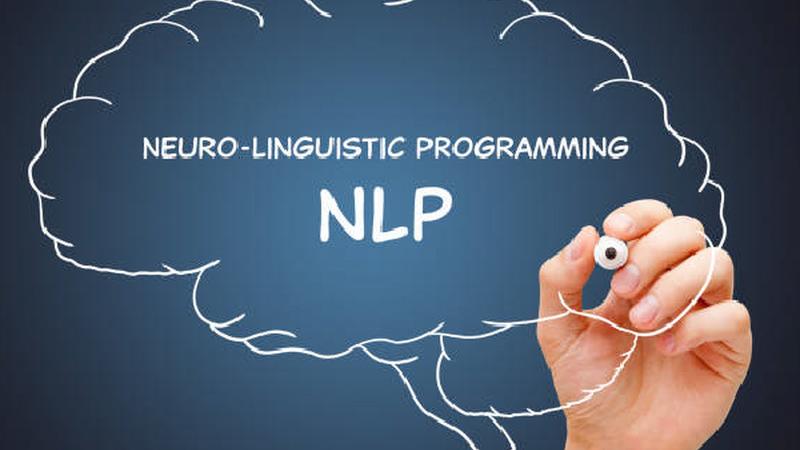
- ▹ Neuro-Linguistic Programming: Understand the connection between neurological processes, language, and behavioral patterns.
- ▹ Creativity and Change Management: Learn to innovate and effectively navigate organizational changes.
Building a Personal Self-Improvement Plan
Creating a structured approach to your self-improvement journey can significantly increase your chances of success. Here's a framework to get started:
- 1. Self-assessment: Identify your current strengths and areas for improvement. Consider both your personal interests and professional requirements.
- 2. Set specific goals: Create SMART goals (Specific, Measurable, Achievable, Relevant, Time-bound) for the skills you want to develop.
- 3. Develop an action plan: Break down your goals into smaller, manageable steps with clear timelines.
- 4. Find resources: Identify courses, books, mentors, and other resources that can help you develop each skill.
- 5. Review and adjust: Regularly assess your progress and adjust your plan as needed.
The Role of Community in Self-Improvement
While self-improvement might seem like a solitary pursuit, community plays a crucial role in sustainable growth. Surrounding yourself with people who support your development efforts creates accountability and provides valuable feedback.
At Al Mithaq Institute, our learning environment fosters community connections through group discussions, networking opportunities, and collaborative projects. These interactions enhance the learning experience and create lasting professional relationships that continue to provide value long after a course ends.
Frequently Asked Questions
How can I balance developing general skills with specialized technical skills?
The key is integration rather than separation. Look for opportunities to develop general skills while working on technical projects. For example, leading a technical team develops leadership and communication alongside technical expertise.
What general skills are most valued by employers?
While this varies by industry, communication, problem-solving, adaptability, teamwork, and emotional intelligence consistently rank among the most desired skills across sectors.
How can I demonstrate general skills on my resume or in job interviews?
Use specific examples and stories that illustrate how you've applied these skills to achieve results. Quantify the impact whenever possible.
How long does it take to develop a new skill?
While the popular "10,000 hours" rule suggests mastery takes extensive practice, meaningful improvement can happen much faster. Consistent practice over 2-3 months can lead to noticeable development in many general skills.
Conclusion
In a world where change is the only constant, developing general skills through ongoing self-improvement is not just beneficial—it's essential. These skills provide the foundation for adaptability, continued learning, and long-term success across changing circumstances and career paths.
Al Mithaq Institute for Educational Services is committed to helping individuals develop both the specialized knowledge and general skills needed to thrive in today's complex environment. Through our diverse range of programs, we empower learners to embrace continuous improvement and prepare for whatever the future may hold.
Ready to invest in your future? Explore our programs and start your self-improvement journey today. Contact Al Mithaq Institute at +971 4 264 4204 or visit our website at www.almithaqinstitute.com.