

The Evolution of Project Management Methodologies
From Traditional Approaches to Modern Frameworks
The Journey of Project Management
Project management has undergone a remarkable transformation over decades, evolving from loosely structured approaches to sophisticated methodologies that can be tailored to specific organizational needs. Understanding this evolution provides valuable context for choosing the right approach for modern projects and anticipating future trends in the discipline.
The Historical Foundations of Project Management
While project management as a formal discipline emerged in the mid-20th century, humans have been managing complex projects since ancient times. The construction of wonders like the Great Pyramids of Giza and the Roman aqueducts required sophisticated coordination, resource allocation, and scheduling—the core elements of modern project management.
Timeline: Project Management Evolution
- 1910s
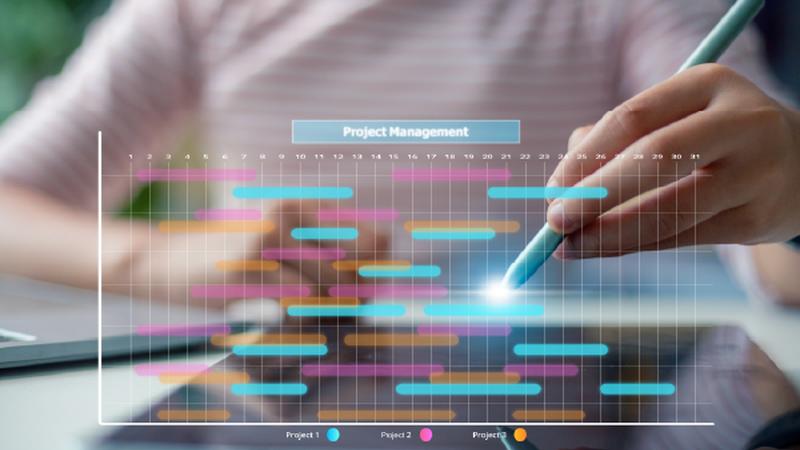
Henry Gantt develops the Gantt chart, revolutionizing project scheduling visualization
- 1950s
Critical Path Method (CPM) and Program Evaluation Review Technique (PERT) emerge for complex projects
- 1960s
Waterfall method formalized; Project Management Institute (PMI) established
- 1970s
PRINCE (Projects IN Controlled Environments) methodology developed in UK
- 1980s
Theory of Constraints introduced; Total Quality Management influences project practices
- 1990s
PRINCE2 released; early agile methods like Scrum and RAD emerge
- 2001
Agile Manifesto published, revolutionizing software development approaches
- 2010s
Hybrid methodologies gain popularity; DevOps integrates with project management
- 2020s
AI and automation begin transforming project management practices
Traditional Project Management Methodologies
The Waterfall Method
The Waterfall methodology, formalized in the 1970s, introduced a sequential approach to project management. Each phase of the project (requirements, design, implementation, verification, and maintenance) must be completed before moving to the next, creating a cascading structure resembling a waterfall.
Waterfall Strengths
- Clear structure with well-defined phases
- Comprehensive documentation
- Easy to understand and manage
- Works well for projects with fixed requirements
- Clearly defined deliverables at each stage
Waterfall Limitations
- Inflexible to requirement changes
- Testing occurs late in the process
- Client feedback incorporated late
- High risk of project failure if requirements are misunderstood
- Delayed delivery of working products
PRINCE2 (Projects IN Controlled Environments)
Developed in the UK and adopted globally, PRINCE2 offers a structured approach focused on organization and control. It divides projects into manageable stages with regular review points and clear roles and responsibilities.
Key PRINCE2 Principles
- Continued business justification
- Learn from experience
- Defined roles and responsibilities
- Manage by stages
- Manage by exception
- Focus on products
- Tailor to the project environment
When to Use Traditional Methods
Traditional methodologies remain effective for projects with:
- Clear, stable requirements that are unlikely to change
- Regulatory compliance requirements mandating detailed documentation
- Large-scale infrastructure or construction projects
- Projects with fixed deadlines and budgets
- Teams with specialized, non-overlapping expertise
The Agile Revolution
The early 2000s witnessed a paradigm shift with the publication of the Agile Manifesto, which prioritized adaptability, customer collaboration, and iterative development over rigid processes and extensive documentation. Agile methodologies emerged as a response to the limitations of traditional approaches, particularly in software development.
The Agile Manifesto Core Values
"We are uncovering better ways of developing software by doing it and helping others do it. Through this work we have come to value:"
- Individuals and interactions over processes and tools
- Working software over comprehensive documentation
- Customer collaboration over contract negotiation
- Responding to change over following a plan
Popular Agile Frameworks
Scrum
Scrum is an iterative framework that breaks work into fixed-length sprints, typically 2-4 weeks long. It emphasizes self-organizing teams, daily standups, and regular review and adaptation.
Key Elements:
- Defined roles: Product Owner, Scrum Master, Development Team
- Regular ceremonies: Sprint Planning, Daily Scrum, Sprint Review, Sprint Retrospective
- Artifacts: Product Backlog, Sprint Backlog, Increment
Kanban
Kanban is a visual workflow management method that helps teams visualize their work, limit work-in-progress, and maximize efficiency. It originated in Toyota's manufacturing systems.
Key Elements:
- Visual board with columns representing workflow stages
- Work items (cards) move across the board as they progress
- Work-in-progress (WIP) limits for each stage
- Continuous flow rather than time-boxed iterations
- Focus on cycle time and throughput metrics
Extreme Programming (XP)
XP focuses on technical excellence and customer satisfaction through practices like pair programming, test-driven development, and continuous integration.
Key Elements:
- Short development cycles with frequent releases
- Pair programming for knowledge sharing and quality
- Test-driven development (TDD)
- Continuous integration and refactoring
- Simple design and coding standards
When to Use Agile Methods
Agile methodologies are particularly effective for:
- Projects with evolving or unclear requirements
- Creative work requiring regular stakeholder feedback
- Software development and digital product creation
- Innovation-focused initiatives where exploration is needed
- Teams seeking to deliver value incrementally rather than all at once
- Organizations needing to respond quickly to market changes
The Rise of Hybrid Approaches
Recognizing that no single methodology fits all projects, organizations increasingly adopt hybrid approaches that combine elements from different methodologies to create customized frameworks suited to their specific needs.
ScrumBan
ScrumBan combines Scrum's structured sprints and ceremonies with Kanban's visual workflow management and focus on flow. Teams maintain a Kanban board while following Scrum ceremonies, often with more flexible timeboxes.
Agile-Waterfall Hybrid
This approach uses Waterfall for stable requirements and overall project structure while implementing Agile methods for development phases. It's common in regulated industries where documentation is critical but development flexibility is valuable.
Disciplined Agile Delivery (DAD)
DAD provides a decision framework that combines elements from various methodologies, allowing teams to tailor their approach based on context. It offers guidance on which practices to use in different situations.
Real-World Methodology Applications
Spotify Engineering Culture
Spotify adapted Agile principles to create their "Squad" model, organizing teams around features rather than functions. Squads operate with high autonomy within a larger structure of Tribes, Chapters, and Guilds, balancing independence with alignment.
NASA's Hybrid Approach
NASA combines traditional systems engineering with Agile practices in their "NERVE" methodology. Critical safety components follow rigorous waterfall processes, while software development uses iterative approaches, creating a practical hybrid for their unique requirements.
Microsoft's DevOps Transformation
Microsoft transitioned from a strict waterfall approach with 3-year release cycles to an Agile DevOps model, enabling multiple daily releases of products like Visual Studio. This transformation required changes to technology, process, and culture throughout the organization.
Emerging Trends and Future Directions
Project management continues to evolve in response to technological advances and changing business environments. Several key trends are shaping the future of project management methodologies:
AI-Assisted Project Management
Artificial intelligence is transforming project management through predictive analytics for risk assessment, automated scheduling, resource optimization, and intelligent decision support systems.
DevOps Integration
The merging of development and operations practices is creating continuous delivery pipelines, with project methodologies adapting to support this integration through enhanced collaboration and automation.
Remote and Distributed Teams
Project methodologies are adapting to support geographically distributed teams, emphasizing asynchronous communication, digital collaboration tools, and new approaches to building team cohesion.
Value-Driven Approaches
Focus is shifting from output to outcomes, with methodologies increasingly incorporating business value metrics, customer satisfaction measures, and product success indicators.
Selecting the Right Methodology
Choosing an appropriate project management methodology is a critical decision that significantly impacts project success. Consider these factors when making your selection:
Project Characteristics
Consider the project's size, complexity, duration, budget, and strategic importance. Larger, more complex projects might benefit from more structured approaches, while smaller initiatives may thrive with lightweight methods.
Requirements Stability
Assess how well-defined and likely to change your requirements are. Stable requirements favor traditional methods, while evolving requirements call for agile approaches.
Team Capabilities
Consider your team's experience, skills, and familiarity with different methodologies. Implementing an unfamiliar approach requires additional training and adaptation time.
Organizational Culture
Align your methodology choice with your organization's culture and values. Highly hierarchical organizations may struggle with self-organizing agile teams, while innovative companies might find traditional approaches too constraining.
Stakeholder Involvement
Consider how frequently stakeholders need to provide input and review progress. Agile methods facilitate regular stakeholder engagement, while traditional approaches typically involve stakeholders at specific milestones.
Frequently Asked Questions
Can you mix multiple project management methodologies?
Yes, hybrid approaches are increasingly common. Organizations often take elements from different methodologies to create customized frameworks that address their specific needs. The key is ensuring consistency in implementation and clear communication about the chosen approach.
How do you transition from traditional to agile methodologies?
Successful transitions typically involve pilot projects, incremental adoption, extensive training, leadership support, and cultural change management. Many organizations begin with a hybrid approach before fully embracing agile practices.
Is agile always better than waterfall?
No, each methodology has strengths and appropriate applications. Waterfall excels in projects with stable requirements and regulatory constraints, while agile thrives in environments with evolving requirements and the need for rapid adaptation.
How do project management methodologies apply to non-software projects?
While many modern methodologies emerged from software development, they can be adapted for various fields. Agile principles benefit marketing campaigns, product development, and research projects. Construction and manufacturing often use adapted forms of traditional and lean methodologies.
Conclusion
The evolution of project management methodologies reflects our growing understanding of how to deliver successful projects in changing environments. From the structured predictability of traditional approaches to the adaptability of agile frameworks and the pragmatism of hybrid models, the discipline continues to evolve.
The most successful organizations don't blindly follow methodological dogma but thoughtfully select and tailor approaches based on their specific context, project needs, and organizational culture. As technological and business environments continue to transform, project management methodologies will undoubtedly continue to adapt and innovate.
Learn More with Al Mithaq Institute
Enhance your project management skills with our Project Management and Business Administration programs. Discover practical applications of various methodologies and advance your career in this essential field.