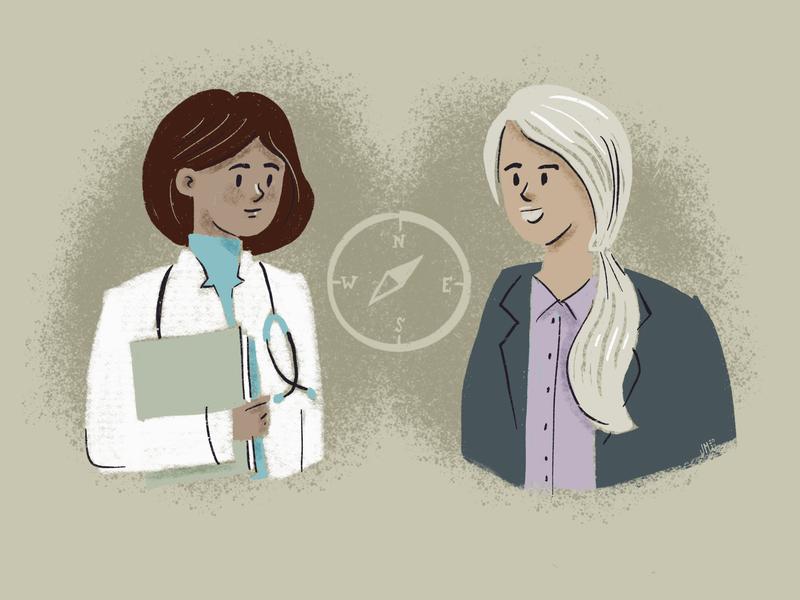


The Historical Journey of Healthcare
Healthcare has undergone a remarkable transformation throughout human history. From the ancient healing practices of traditional medicine to today's advanced technological solutions, the evolution has been driven by our deepening understanding of the human body and innovative approaches to treatment and prevention.
Early civilizations relied on natural remedies, spiritual practices, and basic surgical procedures. The ancient Egyptians developed sophisticated methods for treating wounds and injuries, while traditional Chinese medicine and Ayurveda offered holistic approaches to health that balanced body, mind, and spirit.
- Hippocrates
The Medical Revolution and Modern Healthcare
The 19th and 20th centuries witnessed unprecedented advancements in medical knowledge and technology. The development of germ theory, antibiotics, vaccines, and improved surgical techniques dramatically transformed healthcare outcomes. The establishment of formal medical education and healthcare systems further standardized treatment approaches and expanded access to care.
Recent decades have seen the rise of evidence-based medicine, which emphasizes clinical research and data-driven decision making. This approach has led to more effective treatments and improved patient outcomes across a wide range of conditions.
Traditional Medicine
Natural remedies, spiritual healing, and basic surgical interventions focused on treating symptoms.
Modern Medicine
Evidence-based approaches, pharmaceutical interventions, and advanced surgical techniques targeting specific diseases.
Future Healthcare
Personalized, preventive, and integrated approaches using technology to optimize health outcomes.
The Shift from Treatment to Prevention
One of the most significant evolutions in healthcare has been the shift from focusing primarily on treating illness to emphasizing prevention. This paradigm change recognizes that preventing disease is often more effective and less costly than treating it after onset.
Preventive healthcare encompasses various strategies, including:
- Regular health screenings and check-ups
- Immunizations against infectious diseases
- Lifestyle modifications (diet, exercise, stress management)
- Environmental interventions to reduce exposure to harmful substances
- Public health education and awareness campaigns
This preventive approach has contributed to significant improvements in population health, including increased life expectancy and reduced prevalence of many chronic diseases.
Did You Know?
According to the World Health Organization, 80% of premature heart disease, stroke, and type 2 diabetes could be prevented through healthy lifestyle choices.
The Integration of Technology in Healthcare
Technology has revolutionized healthcare delivery, diagnosis, and treatment. Digital health innovations have expanded access to care, improved efficiency, and enhanced the quality of healthcare services.
Key technological advancements transforming healthcare include:
| Technology | Impact on Healthcare |
|---|---|
| Telemedicine | Expanded access to care, especially in remote areas, and provided convenient consultation options. |
| Artificial Intelligence | Enhanced diagnostic accuracy, personalized treatment recommendations, and administrative efficiency. |
| Wearable Devices | Enabled continuous health monitoring, early detection of abnormalities, and personalized health insights. |
| Electronic Health Records | Improved care coordination, reduced medical errors, and facilitated data-driven healthcare decisions. |
| 3D Printing | Revolutionized prosthetics, surgical planning, and medical device customization. |
The Emergence of Personalized Medicine
Personalized medicine represents one of the most exciting developments in modern healthcare. This approach tailors medical decisions, treatments, and practices to individual patients based on their genetic profile, environment, and lifestyle factors.
Advances in genomics and molecular diagnostics have made it possible to identify genetic variants associated with disease risk and treatment response. This information allows healthcare providers to:
Predict
Identify individuals at higher risk for specific diseases before symptoms appear
Prevent
Implement targeted preventive strategies based on individual risk profiles
Personalize
Select medications and dosages most likely to be effective with minimal side effects
Personalized medicine has shown particular promise in oncology, where genetic testing of tumors helps determine the most effective treatment approaches for individual cancer patients.
The Holistic Approach to Wellness
Modern healthcare has increasingly recognized the importance of addressing the whole person, not just physical symptoms. This holistic approach acknowledges the interconnectedness of physical, mental, emotional, and social aspects of health.
Holistic wellness encompasses:
- Physical health: Nutrition, exercise, sleep, and preventive care
- Mental health: Psychological well-being, stress management, and cognitive function
- Emotional health: Emotional intelligence, resilience, and healthy relationships
- Social health: Community connections, support networks, and sense of belonging
- Spiritual health: Purpose, meaning, and connection to something greater than oneself
The Wellness Integration Model
Many healthcare providers now incorporate complementary approaches alongside conventional medicine, including:
Global Healthcare Challenges and Solutions
Despite remarkable progress, healthcare continues to face significant challenges globally, including:
Healthcare Disparities
Significant disparities exist in healthcare access and outcomes based on socioeconomic status, geography, ethnicity, and other factors. Addressing these inequities requires systemic changes in healthcare delivery and financing.
Rising Healthcare Costs
Healthcare expenditures continue to increase globally, straining public and private budgets. Innovative payment models, emphasis on prevention, and efficiency improvements can help address this challenge.
Aging Populations
Many countries face the challenge of providing healthcare for growing elderly populations with complex, chronic health needs. This demographic shift necessitates new approaches to long-term care and healthy aging.
Emerging Health Threats
New infectious diseases, antimicrobial resistance, and the health impacts of climate change present evolving challenges for healthcare systems worldwide. Enhanced surveillance, research, and international collaboration are essential to address these threats.
The Future of Healthcare and Wellness
Looking ahead, several trends are likely to shape the continued evolution of healthcare:
Increased Patient Empowerment
Patients will continue to take a more active role in their healthcare decisions, supported by improved access to information and shared decision-making tools.
Further Integration of Technology
Advanced technologies such as artificial intelligence, virtual reality, and robotics will become increasingly integrated into healthcare delivery, enhancing diagnostics, treatment, and rehabilitation.
Expanded Focus on Social Determinants
Healthcare systems will increasingly address social determinants of health, recognizing that factors such as housing, education, and economic stability significantly impact health outcomes.
Growth of Value-Based Care
Payment models will continue to evolve from fee-for-service to value-based approaches that reward quality, outcomes, and efficiency.
Conclusion
The evolution of healthcare and wellness represents one of humanity's greatest achievements. From rudimentary treatments to sophisticated, personalized approaches, this journey reflects our growing understanding of human health and our commitment to improving quality of life.
As we look to the future, the integration of advanced technologies, emphasis on prevention, and holistic approaches to wellness promise to further transform healthcare. By learning from the past while embracing innovation, we can continue to enhance health outcomes and well-being for individuals and communities worldwide.
Frequently Asked Questions
How has the role of patients changed in healthcare over time?
Patients have evolved from passive recipients of care to active participants in their health decisions. Modern healthcare emphasizes patient education, shared decision-making, and self-management of health conditions.
What impact has technology had on healthcare accessibility?
Technology has significantly expanded healthcare access through telemedicine, mobile health applications, and remote monitoring. These innovations have reduced geographical barriers and provided more convenient care options.
How does personalized medicine differ from traditional approaches?
Traditional medicine often applies standard treatments based on average responses, while personalized medicine tailors interventions to individual characteristics, including genetic makeup, environment, and lifestyle factors.
What are the biggest challenges facing healthcare systems today?
Major challenges include healthcare disparities, rising costs, aging populations, workforce shortages, and emerging health threats such as new infectious diseases and antimicrobial resistance.
How can individuals best navigate the evolving healthcare landscape?
Individuals can take an active role in their health by staying informed, asking questions, seeking preventive care, adopting healthy lifestyle habits, and utilizing digital health tools for self-management.