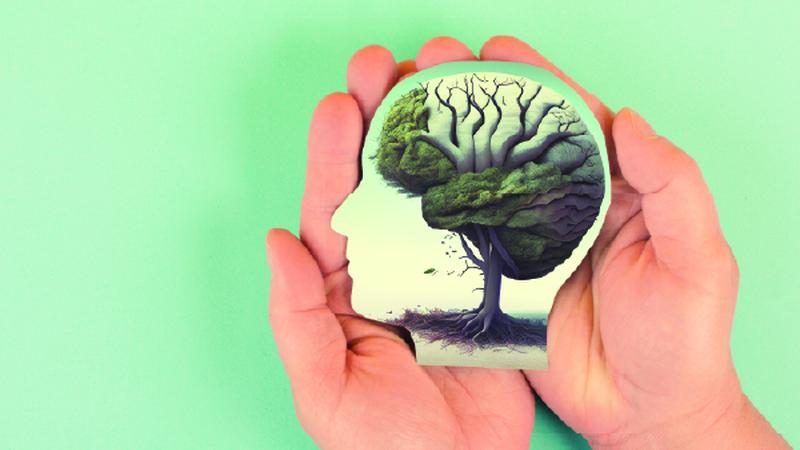


In a time of drastic change, it is the learners who inherit the future. The learned find themselves equipped to live in a world that no longer exists.
— Eric Hoffer
Why Continuous Learning Matters in Today's Workplace
In an era where technological advancement and industry disruption have become the norm, continuous learning isn't just beneficial—it's essential for organizational survival. Companies that create robust learning cultures consistently outperform their peers in innovation, employee retention, and adaptability to market changes.
According to research by Deloitte, organizations with strong learning cultures are 92% more likely to develop novel products and processes, 52% more productive, and 17% more profitable than their peers. Furthermore, employees are 37% more likely to stay at companies that invest in their learning and development.

The impact of continuous learning on key business metrics
Five Key Strategies for Building a Continuous Learning Culture
1. Create Personalized Learning Pathways
One-size-fits-all training programs no longer meet the diverse needs of today's workforce. Organizations that excel at continuous learning provide personalized development paths that align with both individual career aspirations and organizational goals.
Implementation Steps:
- Conduct skills gap analyses to identify individual and team development needs
- Create competency frameworks for different roles and career paths
- Implement learning technologies that allow for content personalization
- Schedule regular career development conversations between managers and employees
- Develop a content curation strategy that helps employees discover relevant learning resources
"When we implemented personalized learning paths at our organization, we saw a 34% increase in course completion rates and a 27% improvement in practical skill application." — Learning & Development Director at a Fortune 500 company
2. Integrate Learning Into the Flow of Work
The traditional approach of taking employees away from their work for training is becoming increasingly obsolete. Modern continuous learning should be embedded directly into daily workflows, making learning a natural part of getting work done.
Microlearning
Break content into 5-10 minute modules that address specific skills or knowledge areas
Performance Support Tools
Provide just-in-time resources like checklists, quick reference guides, and decision trees
Digital Adoption Platforms
Implement tools that provide guidance within applications as employees work
Social Learning
Create spaces for employees to ask questions and share knowledge while working
Research from Bersin by Deloitte indicates that employees typically only have about 1% of their workweek (24 minutes) available for formal learning. By integrating learning into workflows, organizations can significantly expand actual learning time without sacrificing productivity.
3. Foster a Psychologically Safe Learning Environment
Continuous learning requires employees to step outside their comfort zones, try new approaches, and sometimes fail. Organizations that excel at continuous learning cultivate psychological safety—an environment where team members feel safe to take risks, voice ideas, ask questions, and admit mistakes without fear of negative consequences.
| Traditional Environment | Psychologically Safe Environment |
|---|---|
| Mistakes are punished | Mistakes are viewed as learning opportunities |
| Questions are seen as incompetence | Questions are encouraged and valued |
| Feedback flows one way (top-down) | Feedback flows in all directions |
| Focus on proving competence | Focus on improving competence |
Google's Project Aristotle research identified psychological safety as the most important factor in high-performing teams. Leaders can foster this by modeling learning behaviors, openly discussing their own mistakes, and responding constructively when team members take risks or make errors.
4. Leverage Social and Collaborative Learning
While formal training has its place, research shows that up to 70% of workplace learning occurs through social interactions and on-the-job experiences. Organizations with robust learning cultures create structured opportunities for collaborative learning.
Effective Collaborative Learning Approaches:
- Communities of Practice: Groups of employees who share expertise and learn together around common interests or job functions
- Peer Coaching Programs: Structured frameworks for employees to coach each other on specific skills
- Learning Circles: Small groups that meet regularly to discuss and apply learning from courses or resources
- Cross-functional Projects: Assignments that deliberately mix employees from different areas to facilitate knowledge transfer
- Expert Directories: Searchable databases that help employees find internal expertise on specific topics
83%
of employees prefer collaborative learning over individual study
91%
rate peer learning as highly valuable for skill application
5x
higher knowledge retention from collaborative vs. individual learning
5. Establish Learning Metrics and Recognition Systems
What gets measured gets managed. Organizations with strong learning cultures establish clear metrics to track learning progress and impact, while implementing recognition systems that reward continuous development.
Key Learning Metrics to Consider:
Activity Metrics
- Learning hours per employee
- Resource utilization rates
- Participation in development programs
- Knowledge sharing activity
Impact Metrics
- Skill proficiency changes
- Performance improvement
- Innovation metrics
- Time to competency
Beyond measurement, organizations should visibly recognize and reward learning behaviors. This might include highlighting learning achievements in team meetings, creating digital badges for skill acquisition, factoring learning into promotion decisions, or establishing formal awards for knowledge sharing.
Technology's Role in Continuous Learning
The right learning technology stack can significantly enhance continuous learning efforts by increasing access, personalizing experiences, providing analytics, and facilitating social learning.
| Technology Type | Primary Function | Continuous Learning Benefit |
|---|---|---|
| Learning Management Systems (LMS) | Content delivery and tracking | Provides organized access to learning resources and tracks completion |
| Learning Experience Platforms (LXP) | Content discovery and curation | Creates Netflix-like experience for learning with personalized recommendations |
| Microlearning Platforms | Bite-sized learning delivery | Enables learning in the flow of work with short, focused content |
| Knowledge Management Systems | Organizational knowledge repository | Captures and shares institutional knowledge and best practices |
| Collaboration Tools | Team communication and file sharing | Facilitates social learning and knowledge exchange between employees |
However, technology alone doesn't create a learning culture. The most successful organizations view technology as an enabler of human connection and knowledge exchange rather than a replacement for it.
Overcoming Common Barriers to Continuous Learning
Even with the best intentions, organizations often encounter obstacles when trying to establish continuous learning cultures. Understanding and proactively addressing these barriers is essential.
Common Barriers and Solutions
"We don't have time for learning"
Solution: Integrate learning into workflows rather than treating it as a separate activity. Prioritize microlearning that can be consumed in small time blocks.
"Our managers don't support learning"
Solution: Include learning support as a key management performance metric. Provide managers with tools and training to be effective learning coaches.
"We learn but don't apply the knowledge"
Solution: Create structured opportunities for practice and application immediately following learning experiences. Implement learning transfer plans.
"Our content isn't relevant or engaging"
Solution: Implement a regular content audit process. Involve employees in content creation and curation. Use multimedia and interactive formats.
"We can't measure learning's impact"
Solution: Establish both leading indicators (learning activity) and lagging indicators (performance changes). Use control groups when possible.
How Al Mithaq Institute Can Help Build Your Learning Culture
Al Mithaq Institute offers specialized programs and consulting services to help organizations develop robust continuous learning cultures. Our approach combines research-backed methodologies with practical, customized implementation strategies.
Our Continuous Learning Services Include:
- Learning Culture Assessment and Strategy Development
- Manager as Coach Training Programs
- Learning Technology Selection and Implementation
- Content Curation and Development Services
- Learning Metrics and Impact Measurement Frameworks
Frequently Asked Questions
Leading organizations typically invest 3-5% of payroll in employee learning and development. However, the quality and relevance of learning opportunities matter more than the absolute spending amount. A strategic approach that aligns learning investments with business priorities and measures outcomes will yield the best return, regardless of budget size.
A balanced approach works best. Certain foundational or compliance-related training should be mandatory, while allowing employees choice and autonomy for professional development learning. When employees can align learning with their interests and career goals, motivation and engagement typically increase. The key is to make all learning—even mandatory topics—relevant, engaging, and valuable to the learner.
Rather than viewing learning and productivity as competing priorities, successful organizations integrate them. Use microlearning and performance support tools that deliver learning within workflows. Implement the "5% rule" where employees dedicate 5% of their time (about 2 hours weekly) to development activities. Most importantly, help managers and employees understand that learning is an investment that enhances productivity rather than detracting from it.
Remote and hybrid environments present both challenges and opportunities for continuous learning. Focus on creating virtual learning communities through digital collaboration tools. Schedule regular learning-focused virtual events such as lunch-and-learns or knowledge sharing sessions. Leverage asynchronous learning resources with social components like discussion boards or collaborative projects. Most importantly, be intentional about creating psychological safety in virtual environments where team members feel comfortable asking questions and sharing knowledge.
Building a continuous learning culture is a journey that requires consistent effort, leadership commitment, and thoughtful strategy. By implementing these five key approaches, organizations can create environments where learning becomes embedded in the fabric of daily work—driving innovation, improving performance, and preparing for future challenges.