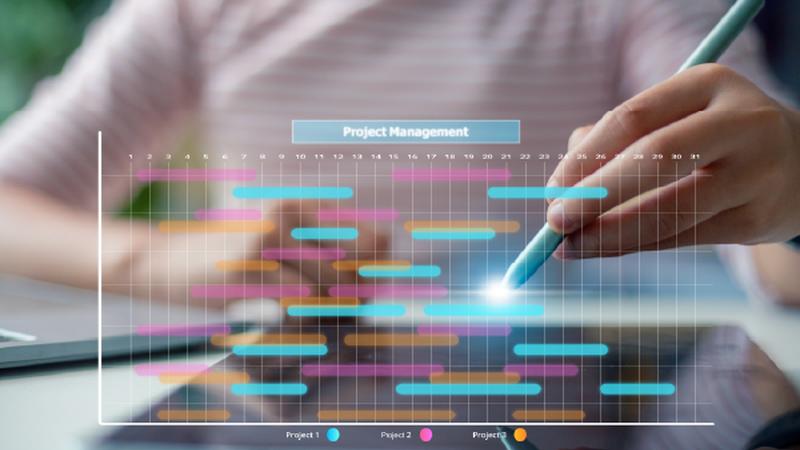


Navigating Leadership and Management
Essential strategies for developing effective leadership skills and managing teams successfully in today's dynamic business environment.
Understanding the Leadership Landscape
Leadership and management are two distinct yet complementary disciplines that form the backbone of organizational success. While management focuses on systems, processes, and operational efficiency, leadership centers on vision, inspiration, and driving change. At Al Mithaq Institute, our leadership and management programs help professionals develop both skill sets to navigate today's complex business challenges.
Effective leadership requires a delicate balance of technical expertise and emotional intelligence. Leaders must not only understand the operational aspects of their organization but also possess the interpersonal skills to motivate and guide their teams through challenges and changes.
Key Differences Between Leadership and Management
Leadership
- Focuses on vision and direction
- Inspires and motivates people
- Embraces change and innovation
- Develops people and culture
- Takes a long-term perspective
Management
- Focuses on systems and processes
- Maintains order and stability
- Solves problems and makes decisions
- Allocates resources efficiently
- Takes a short to mid-term perspective
Essential Leadership Competencies
Successful leaders possess a diverse set of competencies that enable them to guide their organizations effectively. These skills are not innate but can be developed through education, practice, and reflection.
Strategic Thinking
The ability to see the big picture, anticipate trends, and develop long-term plans that align with organizational goals and values.
Emotional Intelligence
Understanding and managing your emotions while recognizing and influencing the emotions of others to maintain productive relationships.
Communication Skills
The capacity to convey ideas clearly, listen actively, and engage in meaningful dialogue with stakeholders at all levels.
Beyond these core competencies, effective leaders must also cultivate resilience, adaptability, and a growth mindset. The ability to bounce back from setbacks, embrace change, and continuously learn are invaluable traits in today's fast-paced business environment.
Management Principles for Organizational Success
While leadership provides direction and inspiration, effective management ensures that organizational goals are met through systematic planning, organizing, and controlling resources. Successful managers apply several key principles to optimize team performance:
- 1
Clear Goal Setting
Establishing SMART (Specific, Measurable, Achievable, Relevant, Time-bound) objectives that align with organizational strategy and provide clear direction for team members.
- 2
Effective Delegation
Assigning tasks based on team members' strengths and development needs, providing necessary resources, and establishing appropriate levels of authority and accountability.
- 3
Performance Management
Implementing systems to monitor progress, provide constructive feedback, recognize achievements, and address performance gaps in a timely and supportive manner.
- 4
Resource Optimization
Allocating financial, human, and material resources efficiently to maximize productivity and minimize waste while maintaining quality standards.
Navigating Leadership Challenges
Leadership is not without its challenges. From managing change to handling conflicts, leaders face numerous obstacles that test their resilience and decision-making capabilities.
Leading Through Change
Change is inevitable in today's business environment. Effective leaders not only adapt to change but also guide their teams through transitions with clarity and purpose. This involves:
- Communicating the rationale for change clearly and honestly
- Involving team members in the change process to build ownership
- Addressing resistance with empathy and understanding
- Celebrating small wins to maintain momentum
- Providing necessary support and resources during transition periods
Case Study: Transformational Leadership in Action
A multinational corporation facing declining market share implemented a transformational leadership approach to revitalize their organization. By articulating a compelling vision, empowering employees to innovate, and fostering a culture of continuous learning, they successfully navigated a major digital transformation initiative that resulted in a 30% increase in productivity and a 25% improvement in employee engagement scores.
The key lesson: Effective leadership during change requires not just strategic direction but also attention to the human elements of transformation.
Building High-Performing Teams
A leader's success is often measured by the performance of their team. Creating high-performing teams requires intentional effort and strategic approaches:
Establishing Psychological Safety
Creating an environment where team members feel safe to take risks, share ideas, and express concerns without fear of judgment or reprisal.
Fostering Diversity and Inclusion
Embracing diverse perspectives, backgrounds, and thinking styles to enhance creativity, innovation, and problem-solving capabilities.
Developing Team Capabilities
Investing in skill development, providing growth opportunities, and creating systems for knowledge sharing and collaborative learning.
Building Trust and Accountability
Demonstrating integrity, following through on commitments, and establishing clear expectations and mechanisms for mutual accountability.
Developing Your Leadership Style
There is no one-size-fits-all approach to leadership. Effective leaders develop a style that aligns with their personality, values, and organizational context while remaining adaptable to different situations and team needs.
| Leadership Style | Key Characteristics | Best Used When |
|---|---|---|
| Transformational | Inspires and motivates through vision; encourages innovation and change | Organization needs significant change or revitalization |
| Servant | Focuses on serving others, empowerment, and collective growth | Building long-term organizational health and employee engagement |
| Democratic | Involves team members in decision-making; values diverse input | Complex problems requiring diverse perspectives and buy-in |
| Situational | Adapts leadership approach based on team members' readiness and situation | Teams with varying expertise levels or changing circumstances |
Developing your leadership style involves self-awareness, continuous learning, and intentional practice. Regular reflection on your strengths, weaknesses, and the impact of your leadership decisions helps refine your approach over time.
The Future of Leadership and Management
As we navigate an increasingly complex and interconnected world, leadership and management continue to evolve. Several trends are shaping the future of these disciplines:
Digital Leadership
The ability to lead effectively in digital environments, leveraging technology to enhance collaboration, innovation, and organizational performance while managing the challenges of remote and hybrid work arrangements.
Agile Leadership
Adopting principles from agile methodologies to increase organizational adaptability, promote iterative progress, and respond quickly to changing market conditions and customer needs.
Sustainable Leadership
Integrating environmental, social, and governance considerations into leadership decisions and organizational strategies to create long-term value for all stakeholders.
Enhancing Your Leadership Journey with Al Mithaq Institute
At Al Mithaq Institute, we offer comprehensive leadership and management programs designed to help professionals at all levels develop the skills needed to excel in today's complex business environment. Our courses combine theoretical knowledge with practical application, providing participants with tools and strategies they can implement immediately.
Our Leadership Development Approach
- Personalized Assessment:
Identifying your unique leadership strengths and development areas through validated assessment tools.
- Experiential Learning:
Engaging in real-world scenarios and simulations to practice leadership skills in a safe environment.
- Coaching and Mentoring:
Receiving guidance from experienced professionals who provide feedback and support your growth.
- Peer Learning:
Collaborating with other leaders to share experiences, exchange ideas, and build a professional network.
- Action Planning:
Developing concrete strategies to apply new leadership insights in your specific organizational context.
Frequently Asked Questions
What is the difference between a leader and a manager?
While managers focus on organizing, planning, and coordinating to achieve organizational goals, leaders inspire, motivate, and guide people toward a shared vision. Effective professionals often develop both leadership and management skills to drive team success.
Can leadership skills be learned, or are they innate?
While some personality traits may predispose individuals to leadership roles, research consistently shows that leadership skills can be developed through education, practice, feedback, and reflection. Leadership is a journey of continuous growth rather than an innate characteristic.
How can I develop my emotional intelligence as a leader?
Developing emotional intelligence involves self-awareness practices (like mindfulness and reflection), seeking feedback from others, practicing active listening, cultivating empathy through perspective-taking, and learning to manage emotional reactions in challenging situations.
What leadership skills are most important in the digital age?
Digital-age leadership requires adaptability, technological fluency, virtual communication skills, data literacy for informed decision-making, and the ability to foster collaboration and innovation in distributed and diverse teams.
Ready to Enhance Your Leadership Journey?
Al Mithaq Institute offers comprehensive leadership and management programs designed to help you develop the skills needed to excel in today's dynamic business environment.
Explore our range of courses and take the next step in your leadership development.