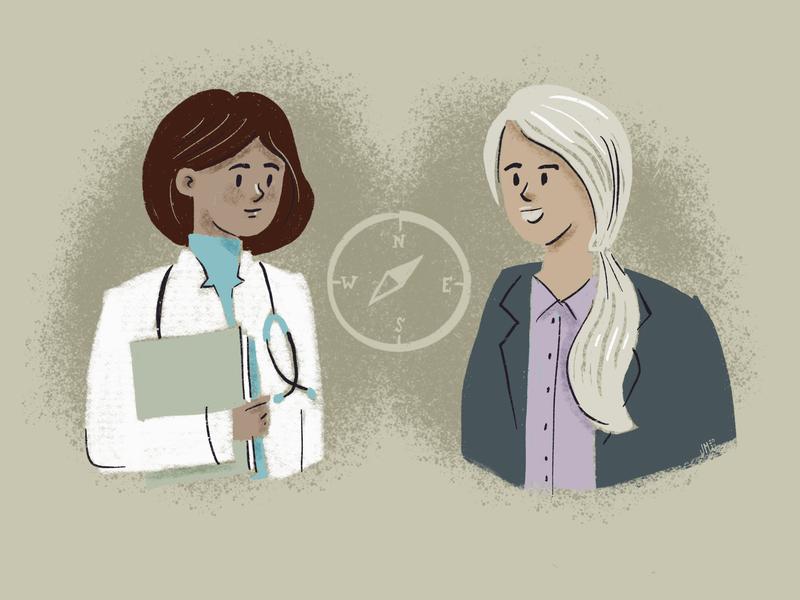


Leading Through Organizational Change
Navigating transformation with vision, resilience, and strategic leadership
Understanding the Complexities of Organizational Change
In today's rapidly evolving business landscape, organizational change is inevitable. Whether driven by digital transformation, market shifts, global events, or internal restructuring, change presents both significant challenges and opportunities for leadership. At Al Mithaq Institute, we recognize that leading through change requires a unique set of skills that combines strategic vision with emotional intelligence and practical execution.
Change initiatives fail at an alarming rate—research suggests that 70% of transformation efforts don't achieve their intended outcomes. The primary reason? Ineffective leadership during the transition process. This article explores evidence-based strategies for successfully navigating organizational change while maintaining team cohesion, productivity, and well-being.
Key Change Leadership Challenges
- • Overcoming resistance and employee skepticism
- • Maintaining operational excellence during transition
- • Creating and communicating a compelling vision
- • Addressing cultural implications of change
- • Managing the emotional aspects of transformation
The Leader's Role in Change Management
Effective leaders serve as both architects and facilitators of change. They design the strategic framework while simultaneously supporting their teams through the human experience of transition. This dual role requires balancing analytical thinking with empathetic leadership.
Creating a Compelling Change Vision
Any successful transformation begins with a clear, inspirational vision that answers the fundamental question: "Why change?" Leaders must articulate not just what will change, but why it matters and how it aligns with the organization's mission and values. This vision serves as the north star throughout the transformation journey.
At Al Mithaq Institute's Change Management and Leadership Skills programs, we emphasize that effective change visions:
- Connect to organizational purpose and values
- Present a clear picture of the desired future state
- Explain the benefits for all stakeholders
- Address potential concerns proactively
- Use concrete language and vivid metaphors

Successful transformation begins with a clear, shared vision
Understanding the Psychology of Change
Change triggers psychological responses that leaders must anticipate and address. People typically move through predictable emotional stages during change, from shock and denial to acceptance and commitment. Understanding this journey enables leaders to provide appropriate support at each phase.
Change can provoke feelings of loss, uncertainty, and fear—even when the change is positive. These emotional responses are normal and should be acknowledged rather than dismissed. Our Emotional Intelligence and Psychological Counseling programs provide deeper insights into managing these dynamics.
Early Stage
Shock, denial, and confusion are common. Leaders should provide clear information and emotional support.
Middle Stage
Resistance and low morale may emerge. Focus on small wins, address concerns directly, and reinforce the vision.
Later Stage
Exploration and acceptance begin. Provide opportunities for involvement and recognize progress toward the new state.
Strategic Communication During Change
Communication is perhaps the most critical factor in successful change leadership. Research consistently shows that leaders tend to significantly underestimate how much communication is needed during transitions. When information is scarce, rumors and anxiety fill the void.
Effective change communication is:
- Consistent: Key messages are repeated through multiple channels
- Transparent: Honest about challenges and unknowns
- Two-way: Creates opportunities for questions and feedback
- Tailored: Addresses different stakeholder concerns and "what's in it for me"
- Empathetic: Acknowledges the emotional impact of change
Al Mithaq Institute's Strategic Communication During Crisis program provides comprehensive training on crafting effective change narratives.
Communication Best Practices
- 1 Address the "why" before the "what" and "how"
- 2 Communicate face-to-face for significant changes
- 3 Create opportunities for dialogue, not just announcements
- 4 Equip managers with information and talking points
- 5 Share progress updates and celebrate milestones
Building Change Capability and Resilience
Organizations face increasing rates of change, making change resilience a critical capability. Leaders must not only manage specific change initiatives but also build organizational capacity for ongoing adaptation and transformation.
This involves developing:
- Agile mindsets throughout the organization
- Change management competencies among leaders at all levels
- Processes that support rapid learning and adaptation
- A culture that views change as opportunity rather than threat
Our Building Resilient Organizations and Change Management Strategies for Leaders programs provide frameworks for developing change-capable organizations.
Leading Through Resistance
Resistance to change is natural and inevitable. Effective change leaders don't view resistance as an obstacle to overcome but as valuable feedback that can improve implementation. Resistance often stems from legitimate concerns about how change will affect people personally and professionally.
When facing resistance, leaders should:
-
Listen actively to understand the root causes of concerns
-
Involve resistors in finding solutions when possible
-
Address legitimate concerns through plan adjustments
-
Focus on how the change aligns with shared values
-
Create psychological safety for voicing concerns
Sustaining Change for Long-Term Impact
Many change initiatives achieve initial success but fail to sustain momentum. The difference between temporary improvement and lasting transformation often lies in how leaders approach the implementation and reinforcement phases.
Sustainable change requires:
- Alignment of systems, processes, and incentives with the desired state
- Visible leadership commitment to the new ways of working
- Continual reinforcement of the change narrative
- Metrics to track both implementation progress and business outcomes
- Mechanisms to identify and address backsliding
Our Sustainable Leadership Practices program provides comprehensive strategies for embedding change.
Before the Change
- Build a strong case for change
- Create a clear vision and roadmap
- Assess readiness and capability
- Identify and engage key stakeholders
During the Change
- Communicate consistently and transparently
- Provide resources and support
- Address resistance constructively
- Create and celebrate short-term wins
After the Change
- Reinforce new behaviors and processes
- Measure and communicate impact
- Capture and apply lessons learned
- Prepare for the next evolution
Developing Your Change Leadership Capabilities
Leading through organizational change is a complex skill set that can be systematically developed. Al Mithaq Institute offers several specialized programs to help leaders master these competencies:
Change Management Strategies for Leaders
Comprehensive frameworks for planning and executing organizational transformation
Strategic Communication During Crisis
Techniques for maintaining trust and alignment during periods of uncertainty
Building Resilient Organizations
Approaches for developing adaptable teams that thrive amid continual change
Emotional Intelligence
Skills for navigating the human dynamics of change with empathy and insight
Frequently Asked Questions
What is the most common reason organizational change initiatives fail?
The most common reason is inadequate leadership commitment and communication. When leaders don't clearly articulate why change is necessary, how it will unfold, and what it means for individuals, resistance naturally emerges. Another key factor is failing to build a strong coalition of supporters across different organizational levels.
How do you maintain team productivity during major organizational changes?
Maintaining productivity requires balancing attention to both operational excellence and change implementation. Key strategies include: setting clear priorities and temporarily reducing non-essential activities, providing additional resources during transition periods, breaking the change into manageable phases, addressing obstacles quickly, and recognizing the additional effort required during transitions.
How do you know if your organization is ready for significant change?
Readiness assessments should evaluate several dimensions: the clarity and urgency of the case for change, leadership alignment and commitment, organizational culture and history with change, available resources and capabilities, competing priorities, and potential sources of resistance. Low readiness doesn't necessarily mean change shouldn't proceed, but it signals the need for additional preparation and support.
What's the difference between change management and change leadership?
Change management focuses on the processes, tools, and techniques to manage the people side of change. Change leadership is broader and involves setting direction, aligning resources, motivating action, and removing obstacles. Management ensures orderly implementation, while leadership creates the conditions for transformation to succeed.
Conclusion
Leading through organizational change is among the most challenging and consequential responsibilities of leadership. By developing a strategic approach to change that addresses both the operational and human dimensions, leaders can significantly increase their chances of success.
The most effective change leaders combine clear vision with empathetic execution. They understand that sustainable transformation requires attention to systems, processes, and culture, but ultimately succeeds or fails based on how well they engage people's hearts and minds.
As organizations face increasing rates of change, the ability to lead effectively through transitions becomes a critical competitive advantage. By investing in developing these capabilities, leaders can transform periods of uncertainty into opportunities for organizational growth and renewal.
Develop Your Change Leadership Skills with Al Mithaq Institute
Our specialized programs and courses provide comprehensive training in all aspects of change leadership and management. Led by experienced practitioners and academics, these programs combine theoretical frameworks with practical application.
Explore Our Programs